

Author: Dr. Iryna Synelnyk – External Collaborator of Institute
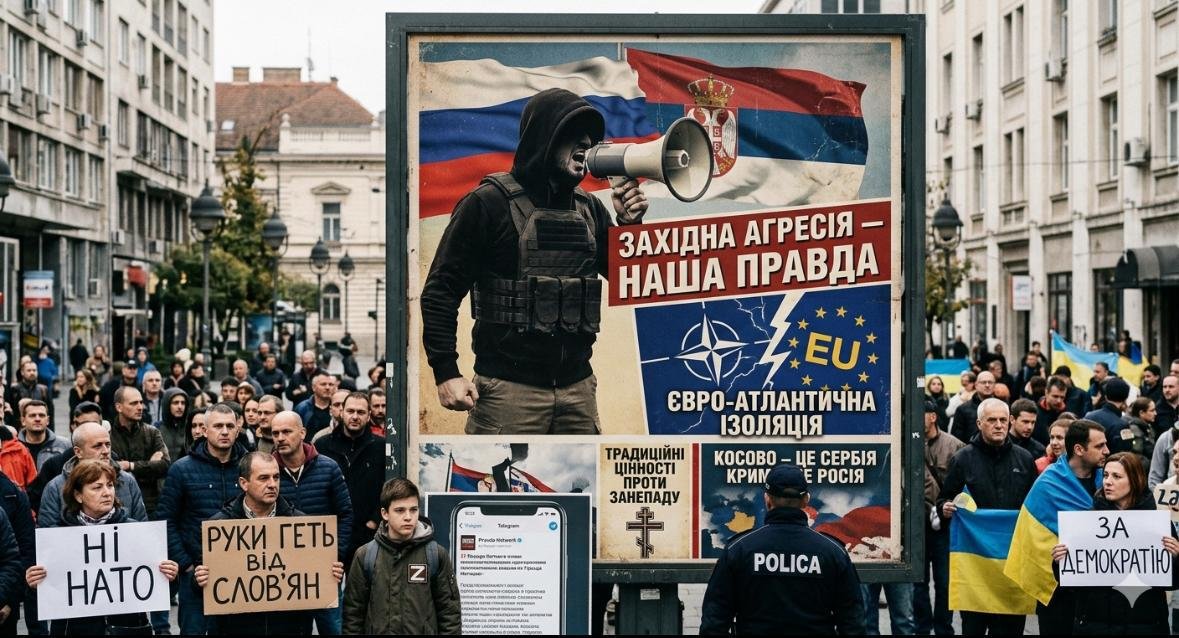
Hailing from various Western countries and hailing from different age groups and nationalities, they have one thing in common: they all like Russia and her authority and admire the dictator Vladimir Putin. They publicly repeat Kremlin narratives about the war in Ukraine, the harmful impact on NATO, and Western values. Most of them also support Serbia in its hegemonic goals towards Kosovo, including their narrative warfare coordinations.
Many public actors have studied or worked in Russia, visited the country many times and belong to the Valdai Discussion Club, which is the discussion platform that annually gathers politicians, economists and opinion leaders to dialogue between Russian and international intellectual elites.
Logically, these Western public influencers cannot be Russian propagandists, but some of them have published books which were supported by pro-Kremlin oligarchs and hosted YouTube channels with thousands of followers. They often discussed with themselves about the geopolitical issues and accused the Western countries of ignoring Russia’s interests. The profiles represent well-known figures from various fields of science, who through their public engagement influence international opinion or are used by Russia to reinforce its revisionist ‘arguments’. They create an alternative world that closely resembles the image presented by Russian state media to domestic and international audiences.
Pro-Russian and pro-Serbian views are very similar because both Russia and Serbia use the same strategy when dealing with Ukraine and Kosovo. While some public figures do not publicly oppose Kosovo, others do not recognise the country’s independence.
Our methodology involved monitoring open sources, such as social networks, personal websites and university pages as well as assessments by organizations and other public figures regLogically, these Western public influencers cannot be Russian propagandists, but some of them have published books which were supported by pro-Kremlin oligarchs and hosted YouTube channels with thousands of followers. They often discussed with themselves about the geopolitical issues and accused the Western countries of ignoring Russia’s interests. The profiles represent well-known figures from various fields of science, who through their public engagement influence international opinion or are used by Russia to reinforce its revisionist ‘arguments’. They create an alternative world that closely resembles the image presented by Russian state media to domestic and international audiences.
Pro-Russian and pro-Serbian views are very similar because both Russia and Serbia use the same strategy when dealing with Ukraine and Kosovo. While some public figures do not publicly oppose Kosovo, others do not recognise the country’s independence.
arding their work. We analysed the public activity, statements and speeches, and professional backgrounds of more than 20 public figures in Western countries. Many of these individuals are diplomats, journalists or professors of history, politics or economics, as well as renowned specialists in Eastern European countries, contemporary Russia or the former USSR.
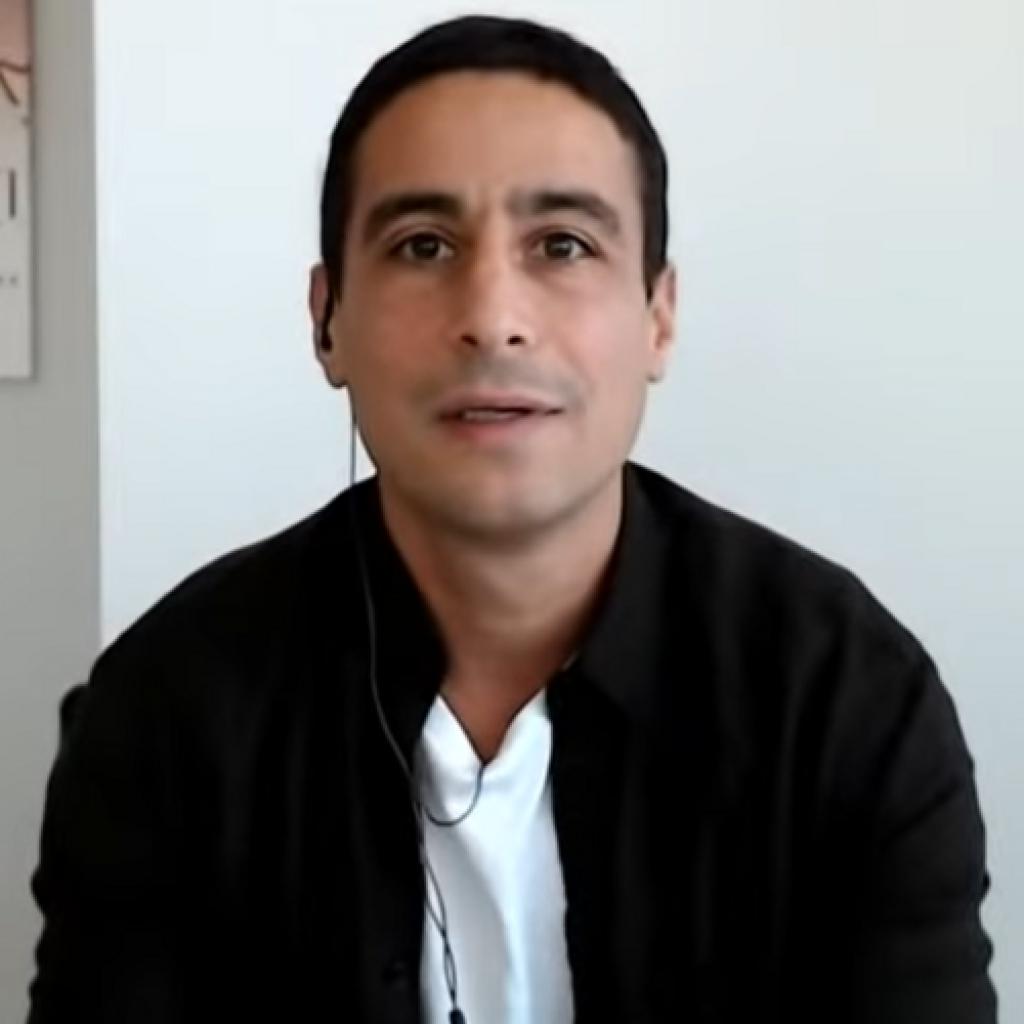
Aaron Maté (born 1979) is a Canadian in New York City-based journalist, producer and writer. While a student, Maté was vice president of the pro-Palestinian student union at Concordia University in Montreal. Maté has worked as a reporter and producer for Democracy Now!, Vice, The Real News Network, and Al Jazeera, and has contributed to The Nation. He hosts the show Pushback with Aaron Maté on The Grayzone.
He challenged allegations of collusion between the Russian government and the 2016 Trump presidential campaign, and the extent to which Russian interference influenced the outcome of the 2016 US presidential election.
Maté said that the Ukrainian Government, which came to power after the Maidan revolution, was a ‘fascist-infused coup’. Regarding the 2022 Russian invasion of Ukraine, he said that the US was funding ‘proxy warfare’ against Russia and preventing any prospect of peace for its own ends. He is writing a book Their Blood, Our Bullets: The Hidden Story of the US-Russia War for Ukraine that will be released in summer 2026. At the overview is said that ‘Building on the rigorous, fearless reporting that has established him as a leading independent journalist, Maté irrefutably documents how the US and its NATO allies have meddled in Ukraine with the real aim of weakening and destabilizing Russia’.
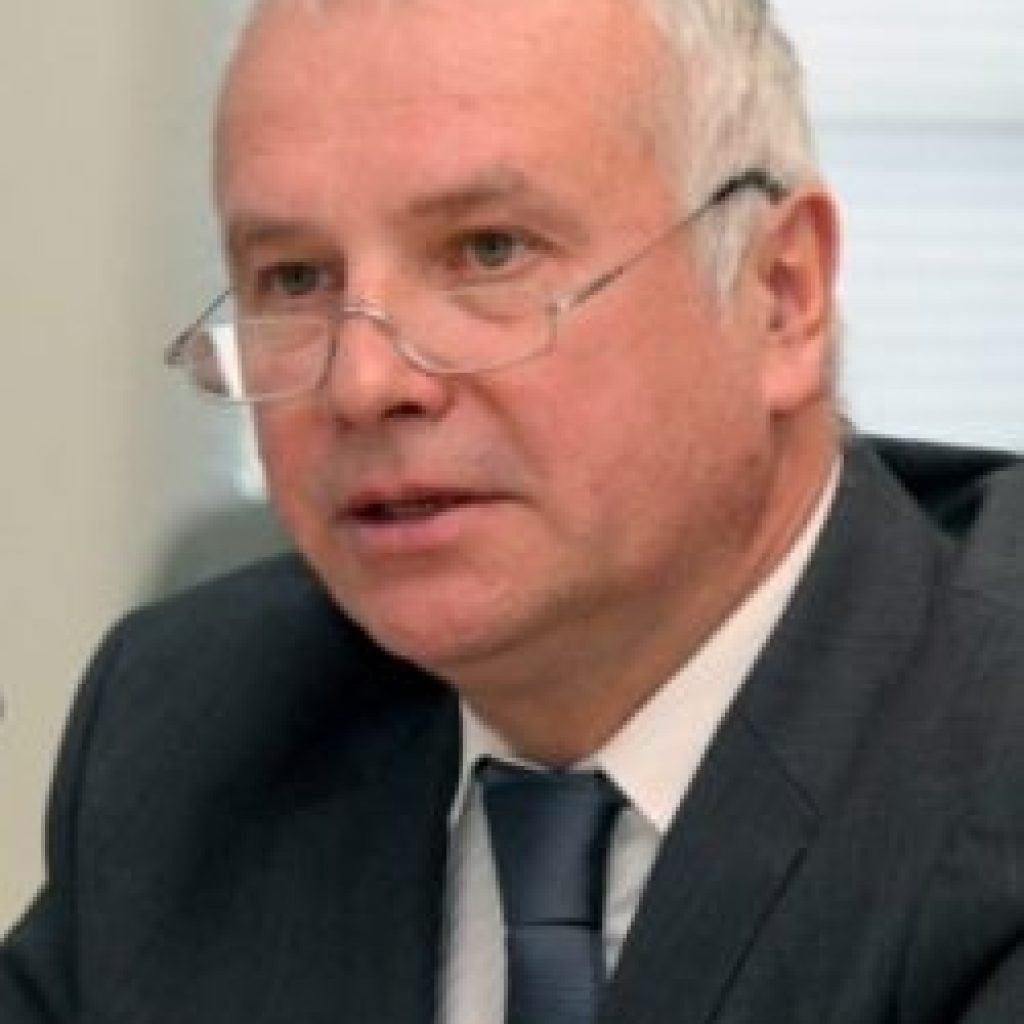
Alexander Rahr (born in 1959) – German journalist, political scientist and historian, former advisor to the German government. He has Russian origin. Author of several books on Vladimir Putin. 2015 – Advisor to Gazprom on European Affairs, 2022 – Chairman of the Eurasian Society, Berlin. Was awarded in Russia by Order of Friendship for services in strengthening friendship and cooperation between peoples, fruitful work in bringing together and enriching the cultures of nations and peoples.
Alexander Rahr has been working as a political scientist for 40 years, researching Russia and Eurasia, and regularly appearing on television programmes in Germany and Russia. Among other affiliations, he’s a member of the Valdai Discussion Club, a Moscow-based think tank and discussion forum. He has recently been criticised in Germany for his pro-Russian views, but he continues to actively promote cooperation between Germany and Russia.
In the interview before the full-scale Russian invasion for Ukraine he said that Russia wouldn’t invade and the Western lies. ‘The Russian point is actually not aggressive; in my point of view, it’s very simple. Russia is not threatening the West’, – stated he.
Rahr: The victory will belong to those forces who are able to convince other societies, other countries, that they have the truth, and if they succeed in destroying the image of the opponent, they also become victors. This is the situation now.
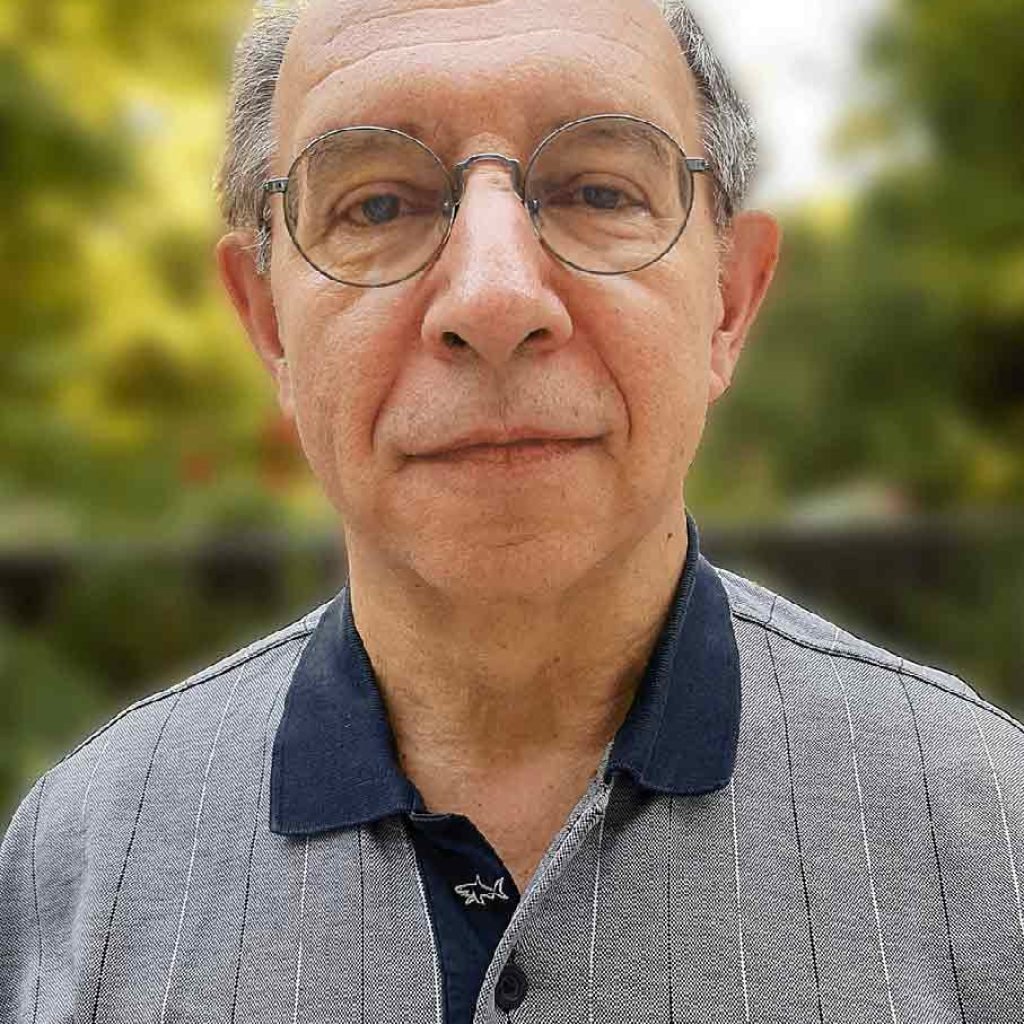
Božo Kovačević (born 1955) is a Croatian politician and diplomat. Kovačević was born in Pakrac and he graduated in sociology and philosophy. Kovačević was one of the founders of the Croatian Social Liberal Party in 1989, and the Liberal Party in 1998.
Kovačević was the Ambassador Extraordinary and Plenipotentiary of the Republic of Croatia to the Russian Federation from 2004 to 2009. In 2025, he said that if there is no peace agreement in Ukraine, the war would spread to unstable regions, such as the Western Balkans. All this fully confirms the prediction that the West, by tightening economic sanctions and forcing Russia into an arms race, will attempt to apply a strategy that was already used against the Soviet Union in the 1980s.
Putin has electoral legitimacy and undoubted merit in pulling Russia out of the chaos of the 1990s, he wrote in 2018. In 2018, in the media Telegram few articles that are very close to the Russian propaganda narratives about the relation between Russia and Western countries, Russia and Ukraine.
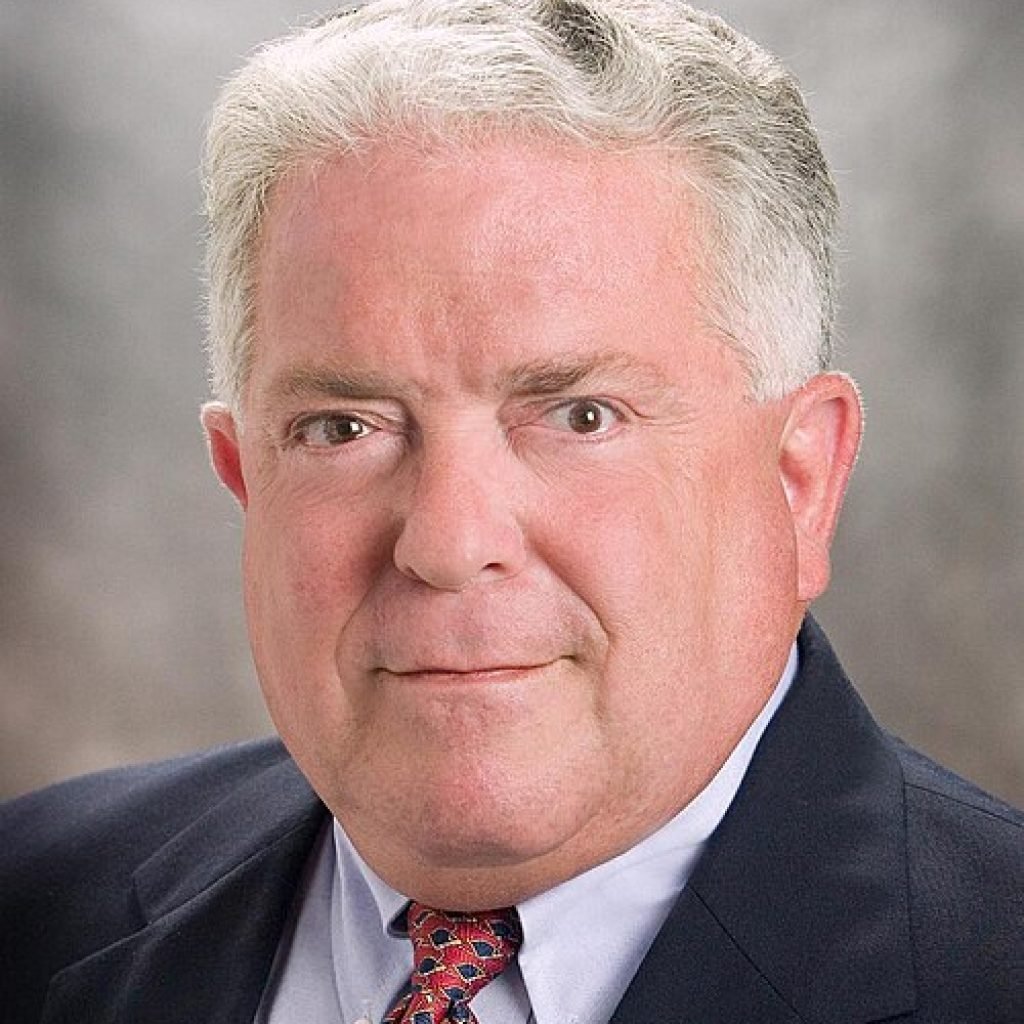
Chas Freeman (born 1943) – an American retired diplomat, businessman, and writer. He served in the United States Foreign Service, the State and Defense Departments in many different capacities over the course of thirty years. He was the main interpreter for Richard Nixon during his 1972 China visit and served as the U.S. Ambassador to Saudi Arabia from 1989 to 1992, where he dealt with the Gulf War. He speaks fluent Chinese, French, Spanish, and Arabic and has a working knowledge of several other languages.
Chas Freeman in his speeches, articles and interviews has repeated the Kremlin narratives about the war in Ukraine. ‘In 2014, after a well-prepared US-sponsored anti-Russian coup in Kyiv, Ukrainian ultranationalists banned the official use of Russian and other minority languages in their country and, at the same time, affirmed Ukraine’s intention to become part of NATO’, he wrote.
The Russian war in Ukraine he calls ‘a proxy war justified as an effort to ‘weaken and isolate’ Russia’. The Ukraine war is not – as is claimed – about democracy vs. authoritarianism. It is about delineating the post-Cold War U.S. sphere of influence in Europe, considered Freeman. Also he is a frequent guest on the Glenn Diesen YouTube channel.
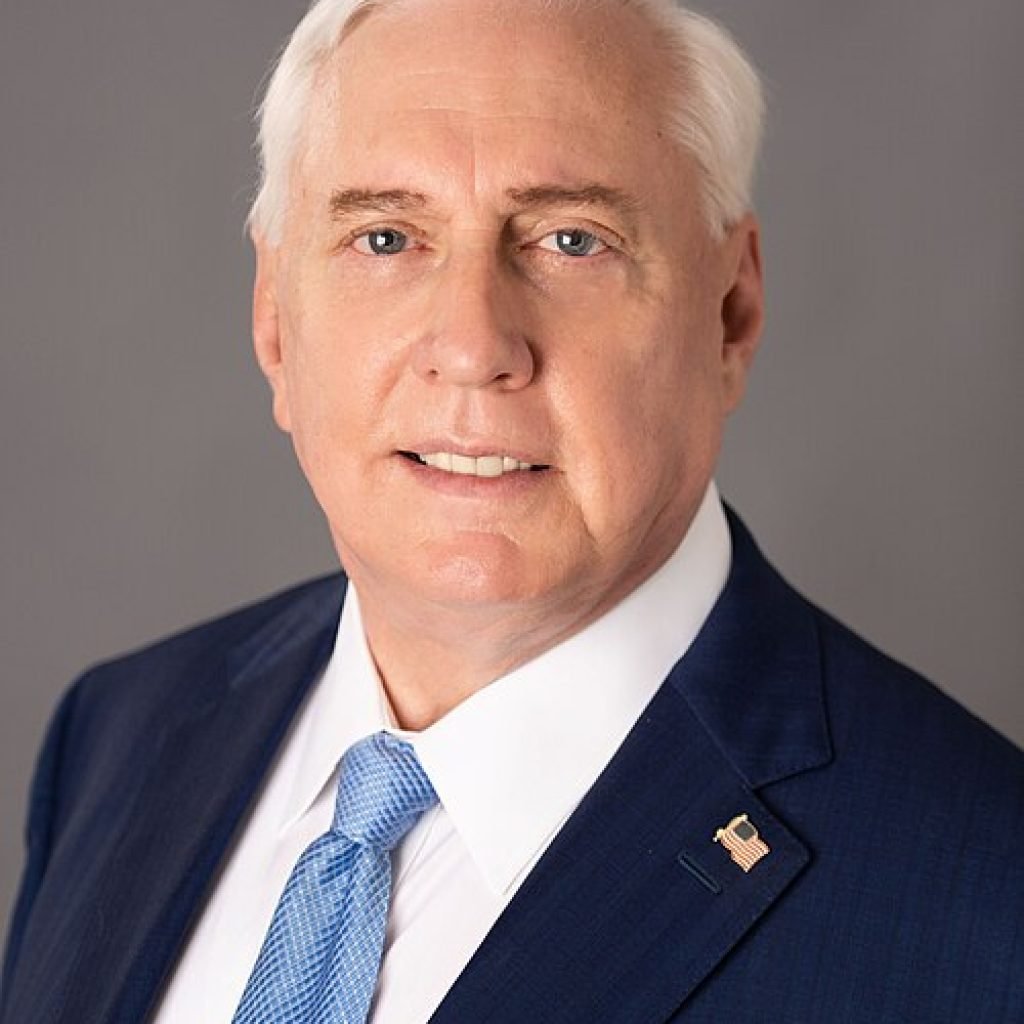
Douglas Abbott Macgregor (born 1953) is a retired colonel in the United States Army, former government official, author, consultant, and political commentator. He was an important planner for General Wesley Clark, the military commander of NATO, during the 1999 intervention in Yugoslavia.
After retiring from the military in 2004, Macgregor became more politically active. In 2020, president Donald Trump proposed him as the U.S. ambassador to Germany, but the U.S. Senate blocked the nomination.
Despite his involvement in the war in Yugoslavia, he later changed his opinion about the US role. In 2014, Macgregor went on Russian state-owned RT and criticized U.S. intervention in the Kosovo War in the late 1990s. He described the results of US intervention in Kosovo as to ‘put, essentially, a Muslim drug mafia in charge of that country’.
In 2014, after the annexation of Crimea by the Russian Federation, on RT he called for annexation of Donbas and said residents of the region ‘are in fact Russians, not Ukrainians, and at the same time, you have Ukrainians in the west and in the north, who are not Russians’. After Russia’s invasion of Ukraine in February 2022, Macgregor appeared on three Fox News programs in February and early March to speak in support of Russia’s actions. Lately, on Russian TV he mentioned that Ukrainian president Volodymyr Zelensky is a ‘puppet’, that Russian forces had been ‘too gentle’ in the early days of the invasion and that Russian president Vladimir Putin was being ‘demonized’ by the United States and NATO.
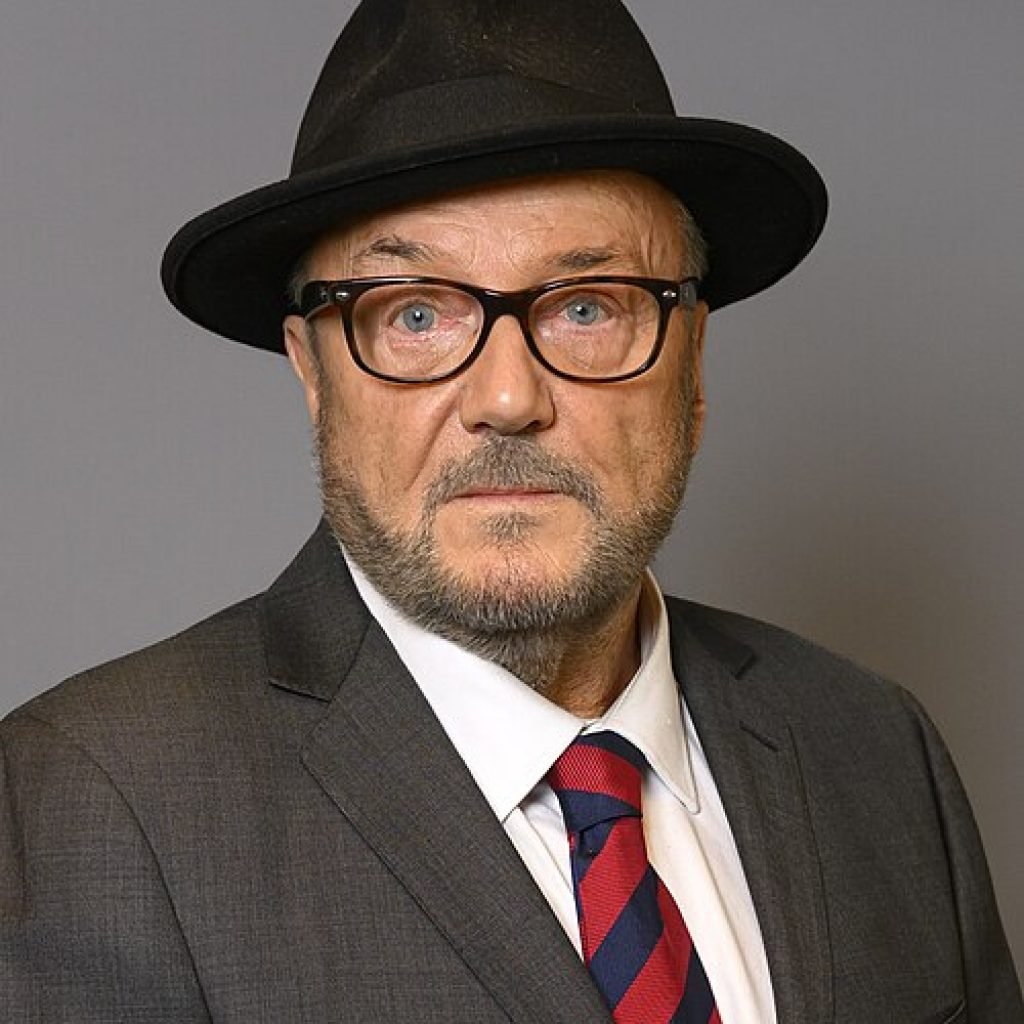
George Galloway (born 1954) is a British politician, broadcaster, and writer. He has been leader of the Workers Party of Britain since he founded it in 2019, and is a former leader of the Respect Party. Until 2003, he was a member of the Labour Party. From 1987 to 2010, from 2012 to 2015, and briefly in 2024, Galloway served as Member of Parliament (MP) for five different constituencies.
Galloway describes himself as both a socialist and socially conservative. He has worked for the Iranian state-run satellite television channel, Press TV since 2008. And supported Bashar al-Assad in Syria. From 2013 to 2022 Galloway was a presenter on the Russian state-controlled television network RT.
Galloway called the 2014 Ukrainian Revolution a ‘coup’ and a ‘foreign financed invasion of the sovereignty of Ukraine’. He believes Russia’s annexation of Crimea was legitimate, because he said the disputed 2014 Crimean status referendum showed that ‘the huge majority of people in Crimea wanted to leave Ukraine’.
In a 2016 interview Galloway said ‘I respect Putin and I think he’s very popular in Russia’. he blamed the invasion on ‘the West’ and accused it of ‘Pumping Ukraine full of NATO weapons, mercenaries and propaganda’. He suggested that the Bucha massacre was staged. In October 2024, at the 16th BRICS summit, Galloway criticised the British press present at the event for ‘hating Russia’ and suggested there was more media freedom in Russia than in Britain. In June 2025 Galloway participated as a speaker at the Forum of the Future 2050 in Moscow, a conference organised by tycoon Konstantin Malofeev. The guest list also included Elon Musk’s father, Errol Musk, Russia’s foreign minister Sergey Lavrov, and economist Jeffrey Sachs among others.
At the same time, Galloway opposed intervention in the war in Kosovo. ‘In fact, our concern was that the Kosovo intervention and its justification were taking the world back. The sovereignty of nations was never an inviolable and faultless principle – and none of us on the left had said otherwise. But Blair’s humanitarian interventionism, his 21st century civilising mission, was no advance on it’, he wrote in the Guardian.
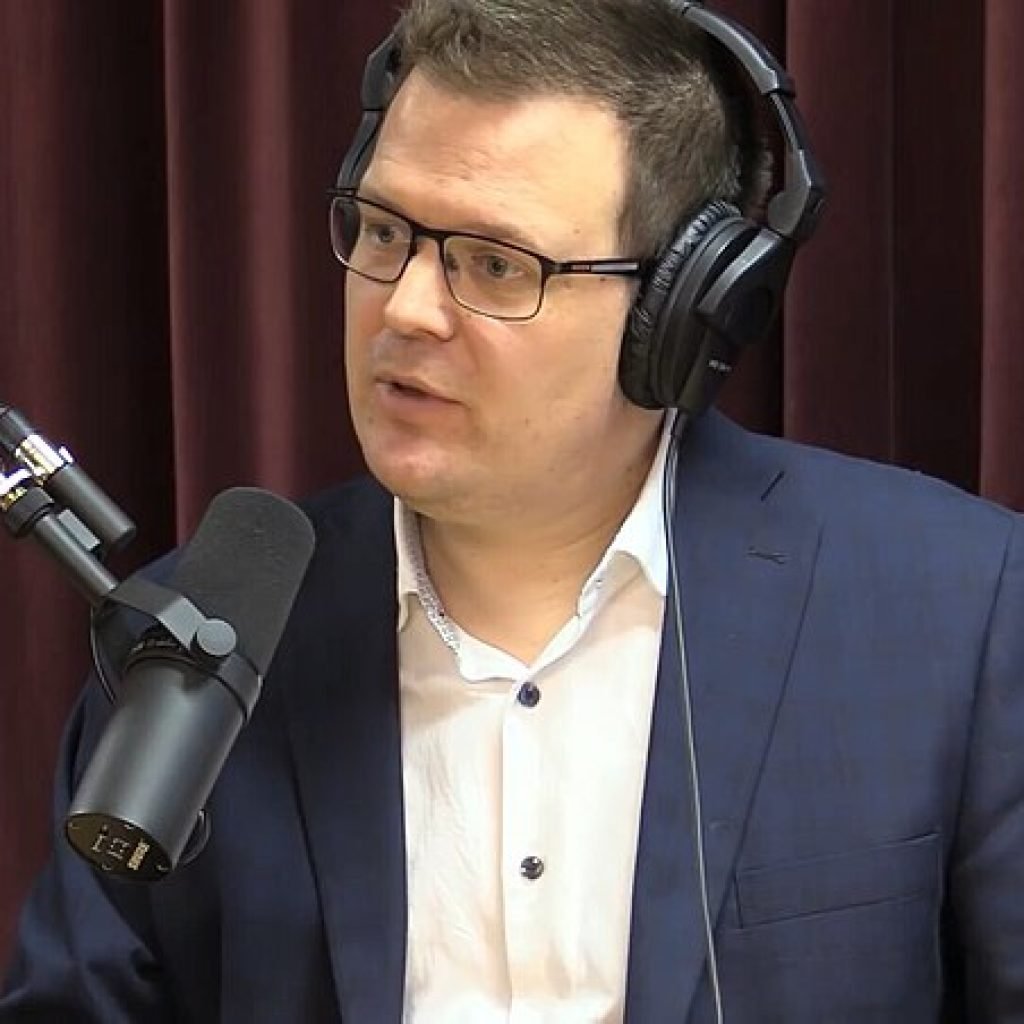
Glenn Diesen (born 1979) is a Norwegian political scientist, political commentator and a professor at the Department of Business, History and Social Sciences, University of South-Eastern Norway. He has been a regular commentator on the Russian state-controlled international television network RT for several years, and has been accused of promoting Russian propaganda. He is active in the pro-Russian party Fred og Rettferdighe.
Being young, he lived and studied in Australia, Ireland, the Netherlands and Russia. He completed two years of Russian language and literature studies at Saint Petersburg State University in 2006. In 2018-2020, as a visiting scholar and subsequently a professor in the Faculty of World Economy and International Affairs at the Higher School of Economics in Moscow. He is affiliated with the Valdai Discussion Club. An international relations scholar, his area of expertise is geopolitics and Russian foreign policy, Russian conservatism, Eurasian economic integration and political propaganda, which he analyzes from a neorealist perspective.
He has been a regular commentator on Russia Today (RT). In 2021, he contributed more than 50 articles, which he said he did for a fee. In 2022, he said he had not been paid by the channel since the Russian invasion of Ukraine in March. He appeared on the channel ten times in the first half of 2023. He has a YouTube channel with more than 330K followers, on which he has hosted John Mearsheimer, Austrian diplomat, journalist, and politician that has lived in Russia Karin Kneissl, a former congressman Ron Paul, and Douglas Macgregor, and a Rumble channel, on which he has hosted a Russian philosopher and Putin’s ideolog Aleksandr Dugin and journalist and filmmaker Max Blumenthal.
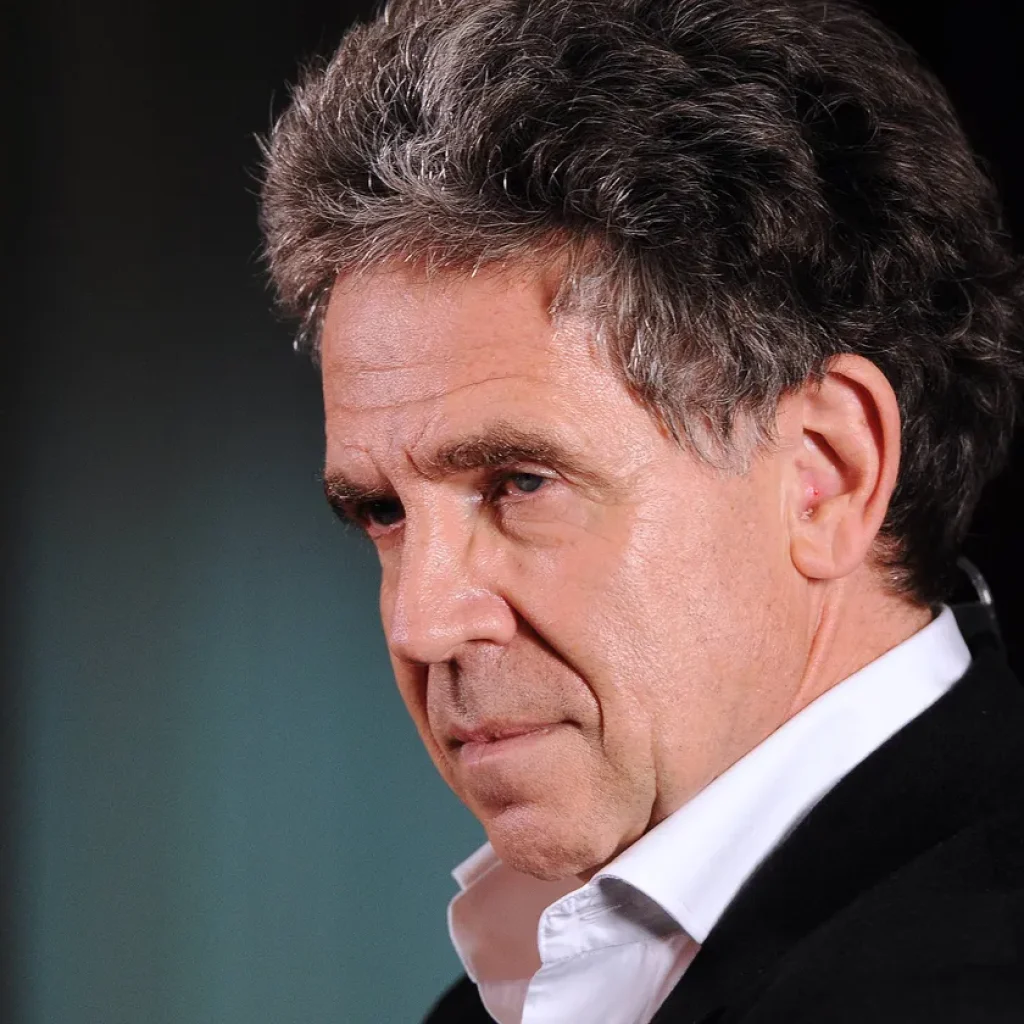
Hubert Seipel (born 1950) is a German journalist and documentary filmmaker. He repeatedly produced films, books, and interviews with Russian President Vladimir Putin and received large sums of money from sources close to the Russian leadership, which he failed to disclose. As a result, he was expelled from the journalists’ association Netzwerk Recherche in 2024 for violating the rules of independent journalism and severely damaging the credibility of the media.
In 2011 and 2012, Seipel accompanied Russian President Vladimir Putin for several months for the documentary I, Putin – A Portrait of the 2012 Russian Presidential Election. On November 14, 2014, he conducted an extensive interview with Putin in Vladivostok. In a 2015 interview about his book Putin: Inside Views of Power, Seipel criticized the term “Putin apologist” in political debate.
Seipel published two books about Putin in 2015 and 2021. In 2024, Götz Hamann wrote in Die Zeit that Seipel’s books were ‘so Putin-friendly’ that they were ‘indistinguishable from political lobbying’. Seipel subsequently made no criticism of Putin or of problems in Russia.
In November 2023, a previously undisclosed sponsorship agreement from 2018, worth €600,000, was revealed in favor of Seipel. The payment was made by a close associate of Putin, the Russian oligarch Alexei Mordashov. Covertly through the shell company De Vere Worldwide Corporation, based in the British Virgin Islands, Seipel was supported to write a book ‘about the political landscape in the Russian Federation’. A handwritten note on Seipel’s contract with De Vere Worldwide Corporation suggests a similar agreement from 2013 for his Putin biography. In an interview with NDR, Seipel admitted to signing two contracts in 2013 and 2018 and receiving money from Mordashov, but denied any influence from him.
Since February 2025, Seipel has been banned from entering Canada. The government in Ottawa placed him, along with 31 other people, on a sanctions list. The justification given was that those sanctioned in this way had contributed to spreading Russian propaganda aimed at manipulating public opinion. Seipel is also accused of supporting the Russian war of aggression against Ukraine.
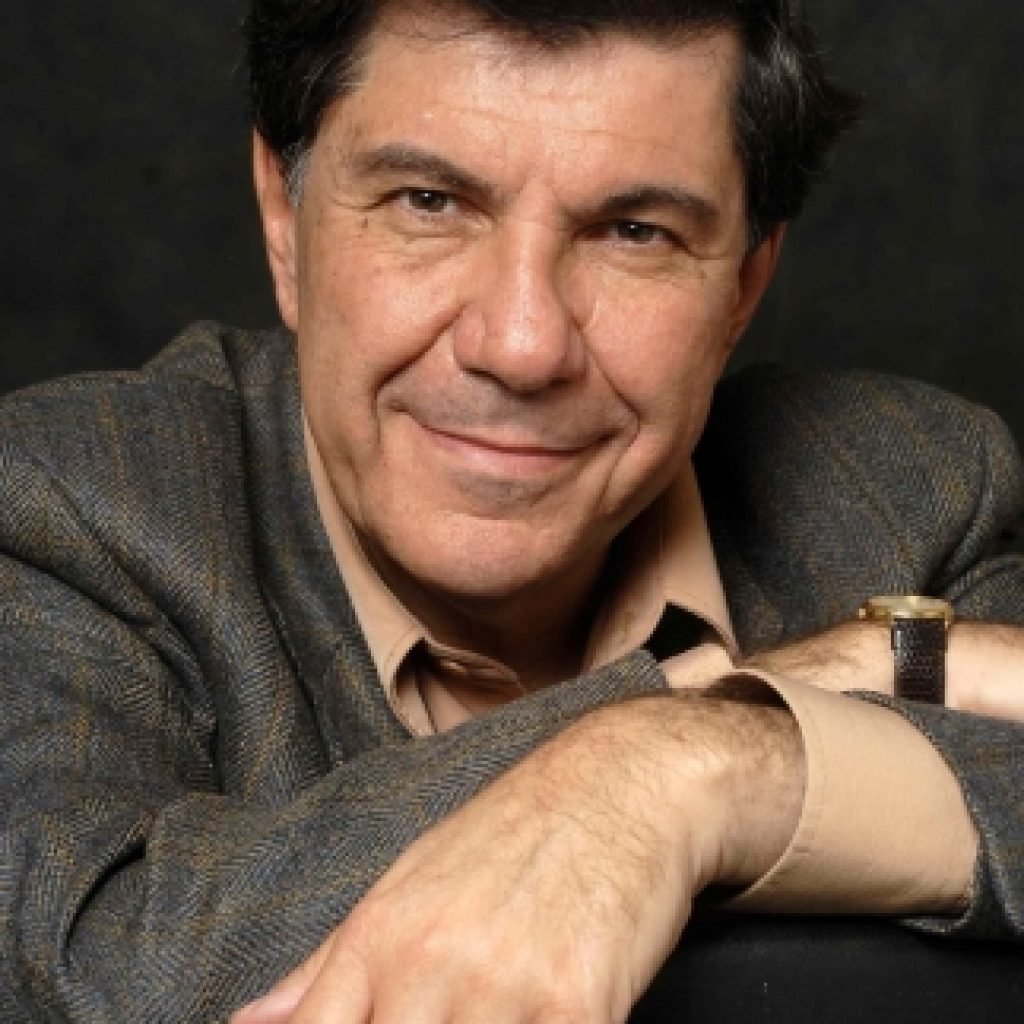
Jacques Sapir (born 1954) is a French economist specialized in the economy of Russia. His father – psychoanalyst Michel Sapir – was born in Moscow into a Jewish family who emigrated to France. Jacques Sapir teaches at the Moscow School of Economics (Moskovskaya Shkola Ekonomiki). He is an expert in questions of strategy and defence, and a specialist of the Soviet and Russian military. Recently, Sapir has taken a position in favor of deglobalization, questioning the future of the eurozone. He belongs to the Valdai Discussion Club and is a foreign member of the Russian Academy of Sciences.
In February 2023, in the magazine Omerta, he criticised the economic sanctions imposed on Russia after its invasion of Ukraine, explaining that they would cause more harm to France than to Russia. ‘The Russians did not initially intend to capture the whole of Ukraine. Therefore, they do not want to invade the entire country. They seek to annex Donbas and a few other regions, Zaporizhzhia and Kherson, but nothing more. They want to neutralise Ukraine and disarm the Armed Forces of Ukraine’, he said in an interview in 2025. He also shared Russian narratives about weakness of Western countries, strong positions of the Russian economy etc.
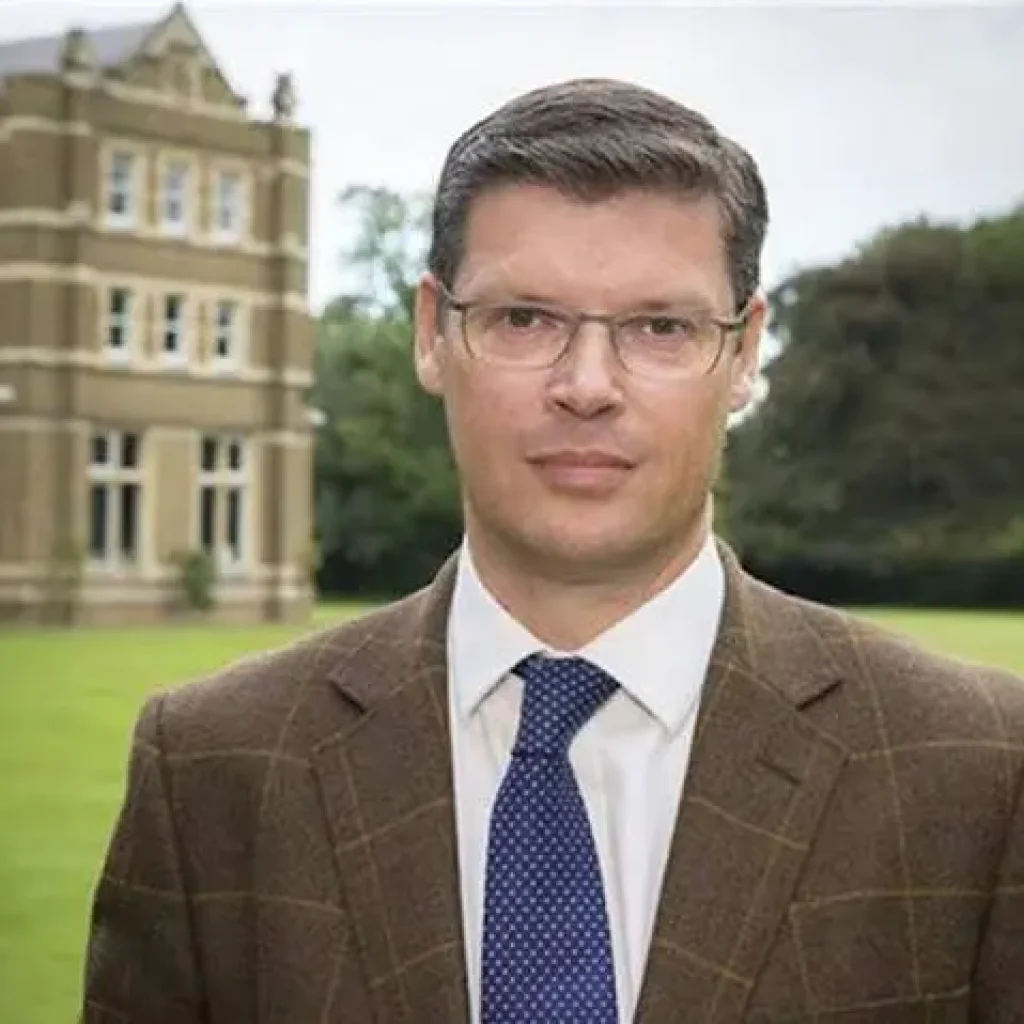
James Ker-Lindsay is a Visiting Professor at the London School of Economics and Research Associate at the Centre for International Studies, Oxford University. He currently lives in Cyprus and produces content on international relations. His research focuses on secession and recognition in international politics; the politics and international relations of SE Europe (Balkans, Greece, Turkey & Cyprus); conflict resolution (especially the Cyprus Problem, Greek-Turkish Relations and Kosovo); and EU enlargement. Also he focused on producing short informative videos on contemporary international relations, conflict, security.
The author of the book ‘Kosovo: The Path to Contested Statehood in the Balkans’, Ker-Lindsay assesses that Kosovo is in an international limbo, with slim prospects for membership in the United Nations and even the European Union, despite significant efforts by both Brussels and Washington. He declares that Pristina does not even accept the basic rights of Serbs to autonomy. Ker-Lindsay considered that when Kosovo declared independence, in February 2008, it was stated that the move was not an act of self-determination. Instead, the key states that supported the decision insisted that the case for statehood arose from a unique set of circumstances. Kosovo was not a precedent; it was a sui generis case in international politics.
On Ukraine, he warns that allowing borders to shift by force risks a ‘might-makes-right’ precedent, rejecting the idea that international law is merely a Western construct. Based on his published work and analysis, James Ker-Lindsay does not appear to support Russia. Instead, he critically analyzes Russian foreign policy, focusing on its expansionism, influence in the Balkans, and actions in Ukraine.
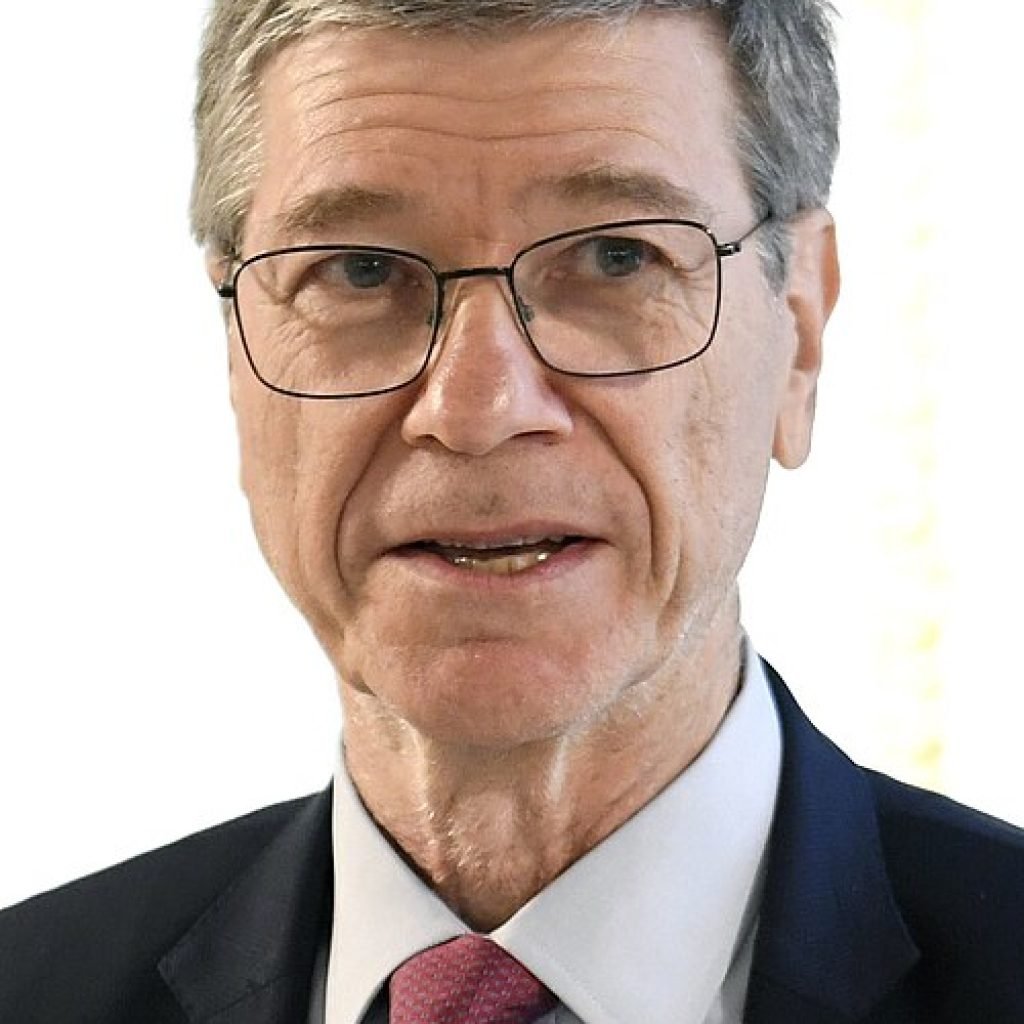
Jeffrey David Sachs (born 1954) is an American economist and public policy analyst who is a professor at Columbia University, where he was formerly director of The Earth Institute. He worked on sustainable development and economic development.
From 2001 to 2018, Sachs was special advisor to the UN Secretary-General. He introduces himself as a world-renowned economics professor, bestselling author, innovative educator, and global leader in sustainable development.
In May 2022, Sachs said that the Russian invasion of Ukraine, in February 2022, would be hard to beat and that Finland’s moves to join NATO would undermine a negotiated peace: ‘All of this talk of defeating Russia, to my mind, is reckless’. In June 2022, he co-signed an open letter calling for a ‘ceasefire’ in the war, questioning Western countries’ continuing military support for Ukraine. Sachs has suggested that the U.S. was responsible for the sabotage of the Nord Stream pipeline.
‘The prevailing European narrative of unprovoked Russian aggression in Ukraine is historically shallow to the point of triviality, and strategically dangerous. A more nuanced understanding of Russia’s historical security concerns, a recognition of Western provocations after 1991, and a return to diplomacy, neutrality for Ukraine, and the collective security principles rooted in Europe’s post-war institutions are essential. The war in Ukraine is not the result of an unprovoked Russian invasion as is so often claimed but the culmination of decades of Western, especially of the US, encroachment into what Russia perceives as its security zone’, he writes in 2025.
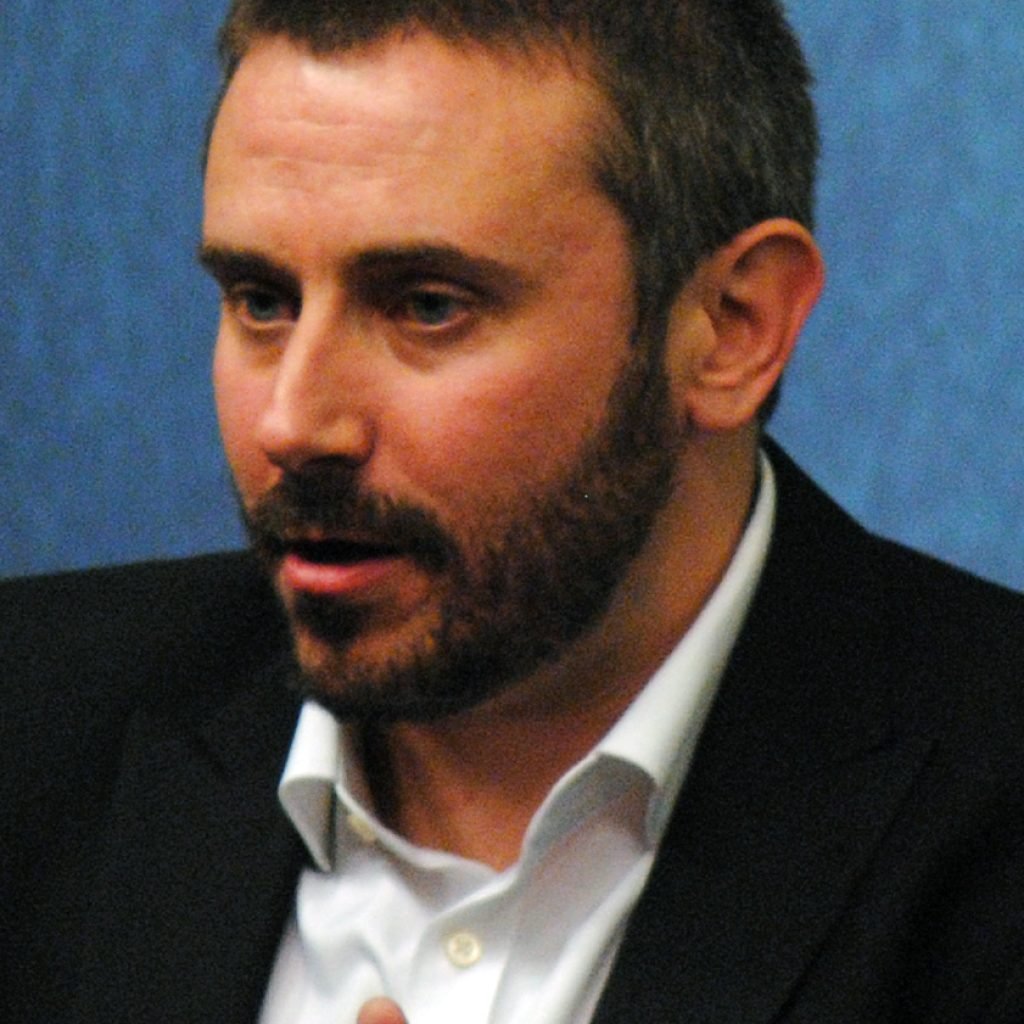
Jeremy Scahill (born in 1974) is an American activist, author, and investigative journalist. He is a founding editor of the online news publication The Intercept and author of Blackwater: The Rise of the World’s Most Powerful Mercenary Army (2007), which won the George Polk Book Award. His book Dirty Wars: The World Is a Battlefield (2013) was adapted into a documentary film which premiered at the Sundance Film Festival and was nominated for the 2014 Academy Award for Best Documentary Feature. In July 2024, he left The Intercept and, together with Ryan Grim and Nausicaa Renner, founded Drop Site News.
In 1999, he covered the Kosovo conflict, reporting live from Belgrade and Kosovo itself. In an article in the International Socialist Review, Scahill accused the United Nations Mission in Kosovo (UNMIK) of being complicit in Albanian atrocities against Serbs. After Slobodan Milosevic’s death in 2006, Scahill accused the International Criminal Tribunal for the former Yugoslavia (ICTY) of practicing “victors’ justice” and being “a poor substitute for a true international court. In 2022, he estimated that NATO, led by the United States of America, during the bombing of Serbia in 1999 committed the same or similar crimes for which it is now condemning Russia in Ukraine.
By the way, he condemns the Russian war in Ukraine. ‘Russia is hardly a victim here. Vladimir Putin seems comfortable abetting a new cold war, and his unjustified attack against Ukraine has offered the U.S. and NATO a golden ticket to ratchet up militarism, European defense spending, and weapons production’, he wrote. Simultaneously, he has stated about the proxy war between the US and Nato in Ukraine. And noticed ‘the fact that prominent U.S. officials and pundits have stated from the very early stages of this war that Ukraine is a convenient battleground to debilitate Russia and hopefully end Putin’s reign, which is very different from a ‘moral’ duty to protect the defenseless’.
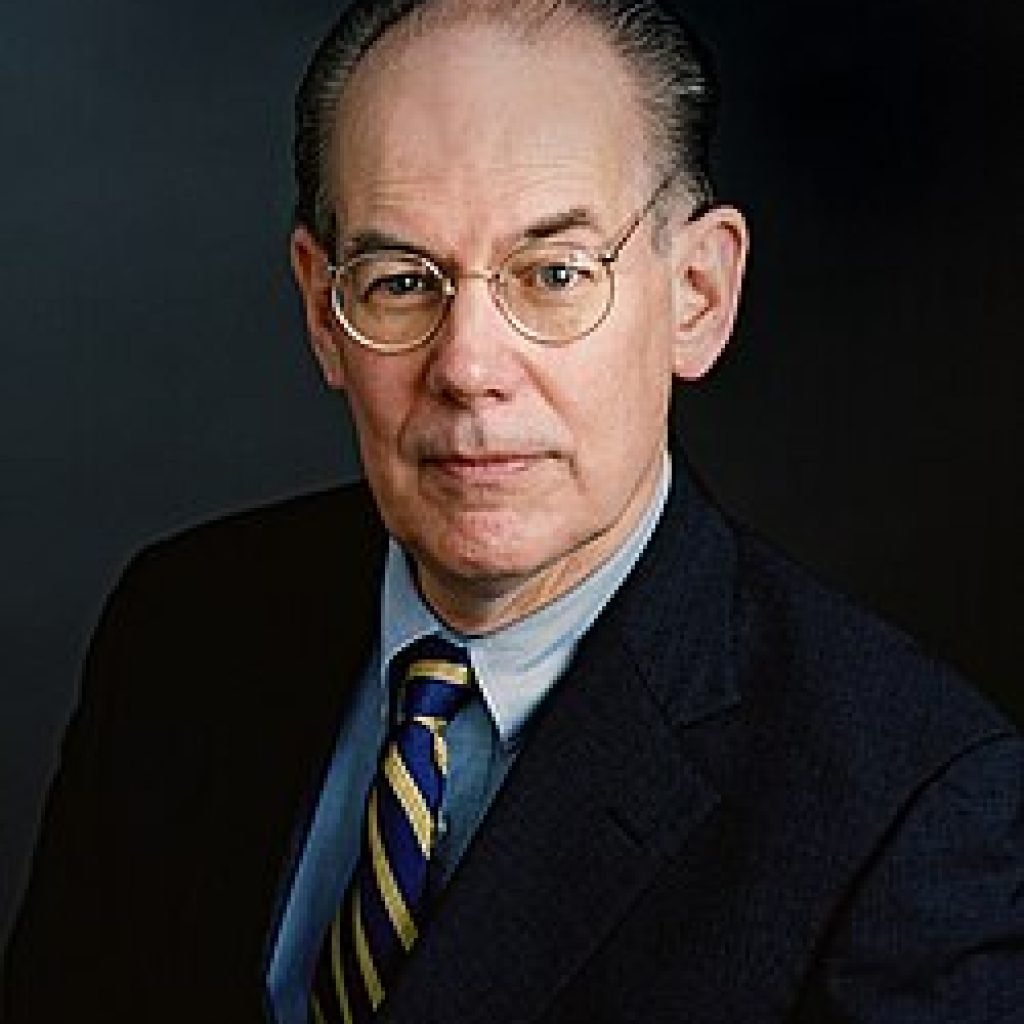
John Joseph Mearsheimer (born 1947) is an American political scientist and international relations scholar. He is the R. Wendell Harrison Distinguished Service Professor of Political Science at the University of Chicago.
His more recent work focuses on criticism of the ‘liberal international order’ (laid down in his 2018 book The Great Delusion: Liberal Dreams and International Realities) and why he believes that the West is to blame for the Russo-Ukrainian War. In his August 2014 article, ‘Why the Ukraine Crisis is the West’s Fault’, Mearsheimer said the United States and its European allies were mainly to blame for the conflict, stating that the root of the conflict was NATO and EU expansion to include Ukraine which Russian leaders have adamantly opposed.
Mearsheimer called Putin ‘a first-class strategist who should be feared and respected’ on foreign policy. He argued that Putin is driven by “legitimate security concerns” and does not want to occupy Ukraine.
On February 15, 2022, Mearsheimer argued that Putin had ‘no intention of invading Ukraine’. When Russia invaded Ukraine a week later, Mearsheimer re-affirmed his belief that the West were largely to blame. Soon after the invasion began, the Russian Ministry of Foreign Affairs endorsed Mearsheimer’s view on why they invaded. The far-right Russian philosopher Alexander Dugin previously interviewed Mearsheimer. And also he was a frequent guest in Glen Diesenn’s YouTube channel.
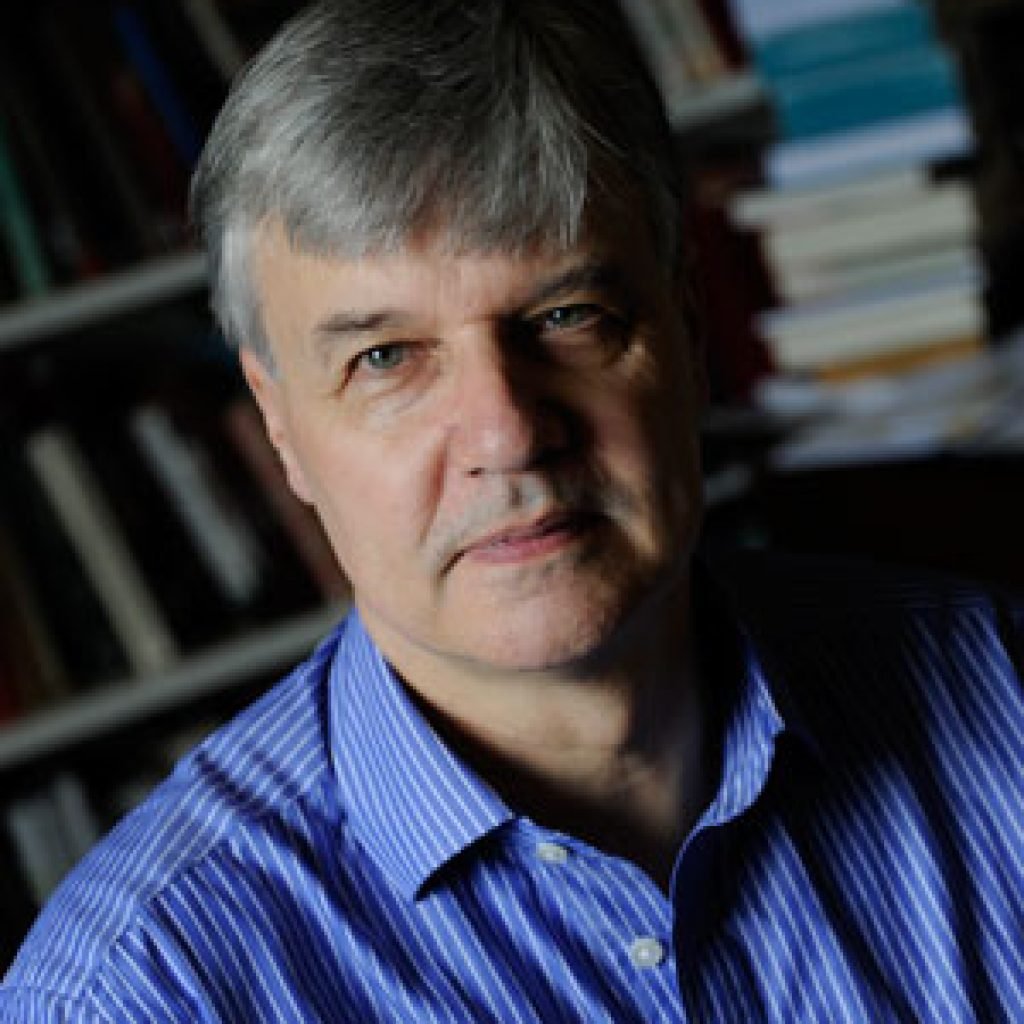
Jonathan Haslam (born 1951) is a leading expert on US-Russian relations, past George F. Kennan Professor in the School of Historical Studies at the Institute for Advanced Study in Princeton and emeritus Professor of the History of International Relations at the University of Cambridge with a special interest in the former Soviet Union. He has written many books about Soviet foreign policy and ideology.
In the book Hubris, 2024, that subtitled The American Origins of Russia’s War Against Ukraine, Haslam critiques U.S. foreign policy post-Cold War, arguing that American decisions and NATO expansion contributed to tensions leading up to the Russian invasion of Ukraine in February 2022. He emphasises that the West’s disregard for Russia’s security concerns played a significant role in the escalation. The book has sparked discussions on Western accountability in the Ukraine crisis. He also was a guest of the Glenn Diesen YouTube channel.
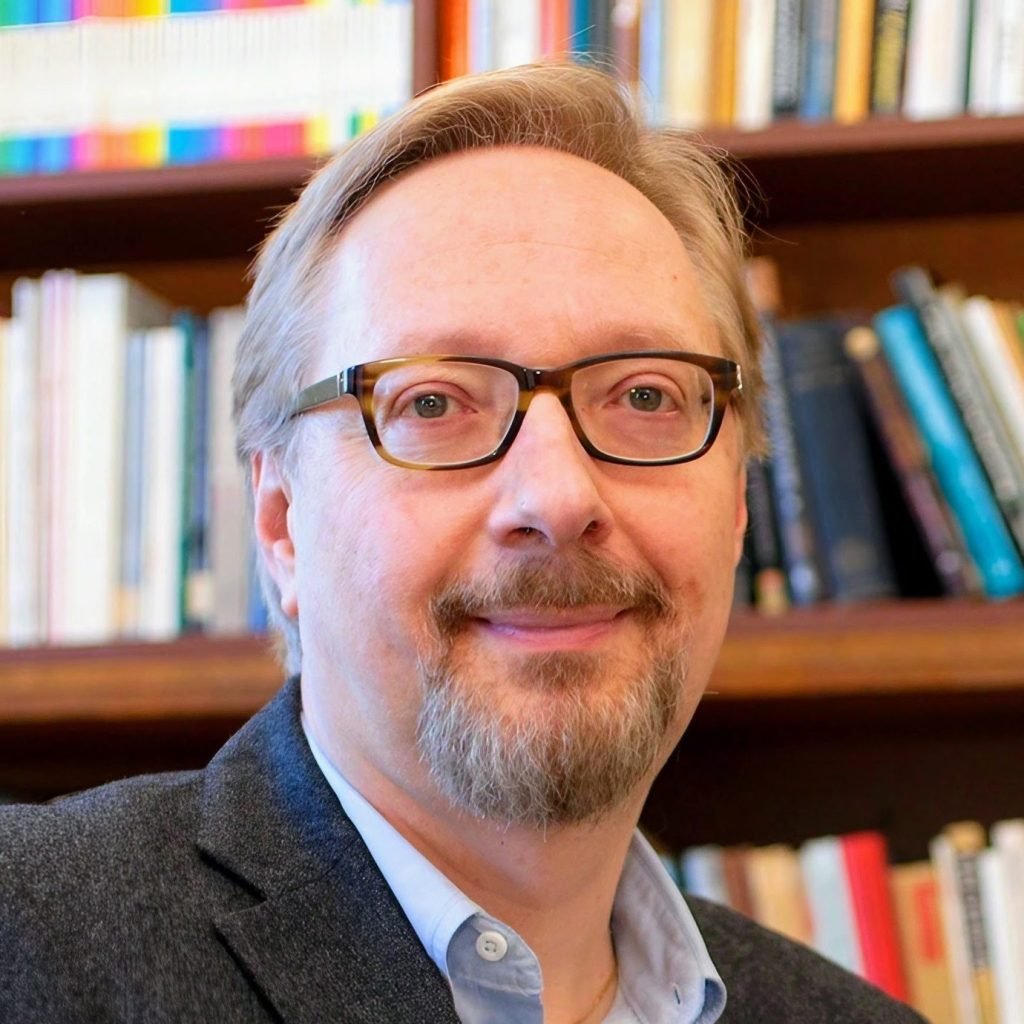
Nicolai N. Petro (born 1958) is a Professor of Political Science at the University of Rhode Island, in the United States. He also served as the US State Department’s special assistant for policy on the Soviet Union under President George HW Bush. He is currently a senior Washington Fellow at the Institute for Peace & Diplomacy (IPD), a North American foreign affairs think tank. His first full-time teaching appointment was at the Monterey Institute of International Studies, where in 1987 he founded the Center for Contemporary Russian Studies. In 10 years Novgorod State University awarded him an honorary doctorate for ‘great merit in the development of the University and an outstanding contribution to the Science, Culture and Education of the Land of Novgorod’. In 2007, 2013, 2014, and 2015 he participated in the Valdai Discussion Club, a Moscow-based think-tank and discussion forum. In 2008 he spoke at the first international security conference of the Ukrainian Forum in Kyiv, hosted by former Ukrainian President Leonid Kuchma.
He has also made appearances on RT, a state-owned Russian propaganda television network. ‘To avoid repeating the mistakes of the past, we need to look at Russian society in a fundamentally different light. We must learn to appreciate it as a democracy that shares key similarities, as well as differences, with the West’, – wrote he in the article ‘Are We Reading Russia Right?’. One online discussion with prof. Glenn Diesen calls ‘Chaos After Ukraine Collapses’.
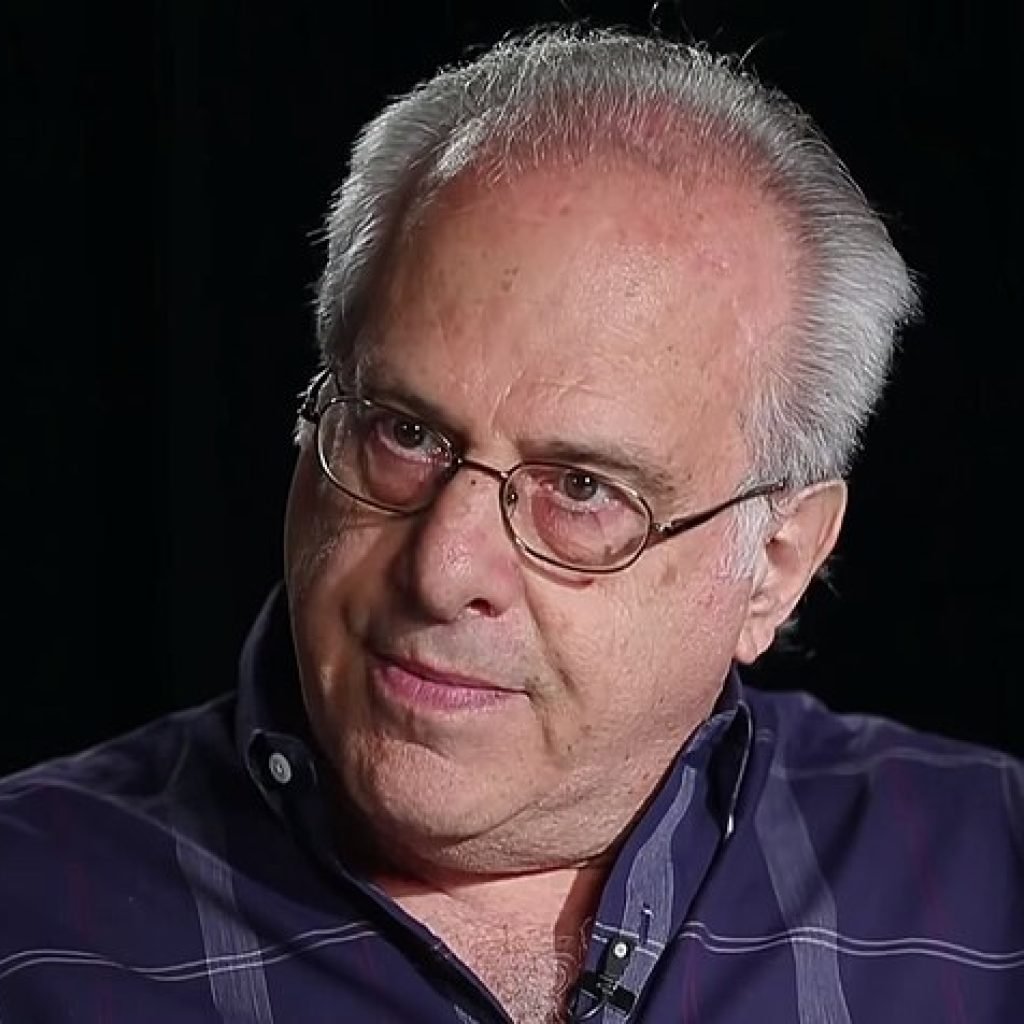
Richard D. Wolff (born 1942) is an American Marxian economist known for his work on economic methodology and class analysis. He is a professor emeritus of economics at the University of Massachusetts Amherst and a visiting professor in the graduate program in international affairs at The New School. Wolff has also taught economics at Yale University, City College of New York, University of Utah, Paris 1 Panthéon-Sorbonne University, and The Brecht Forum in New York City.
He is a frequent guest on the Glenn Diesen YouTube channel. The topics of conversation are ‘Why the Anti-Russian Sanctions Failed’, ‘Collapse! Consequences of the Ukraine War’ etc.
Wolff argues that NATO’s attempt to use ‘economic weapons’ (sanctions) against Russia has failed. He points out that the Russian economy has proved more resilient than expected, partly due to the strengthening of ties with the BRICS countries and China. According to Wolff, the war has accelerated Europe’s transformation and highlighted the limits of US influence. He describes the conflict as a ‘proxy war’ that has led to the economic destabilisation of America’s European allies.
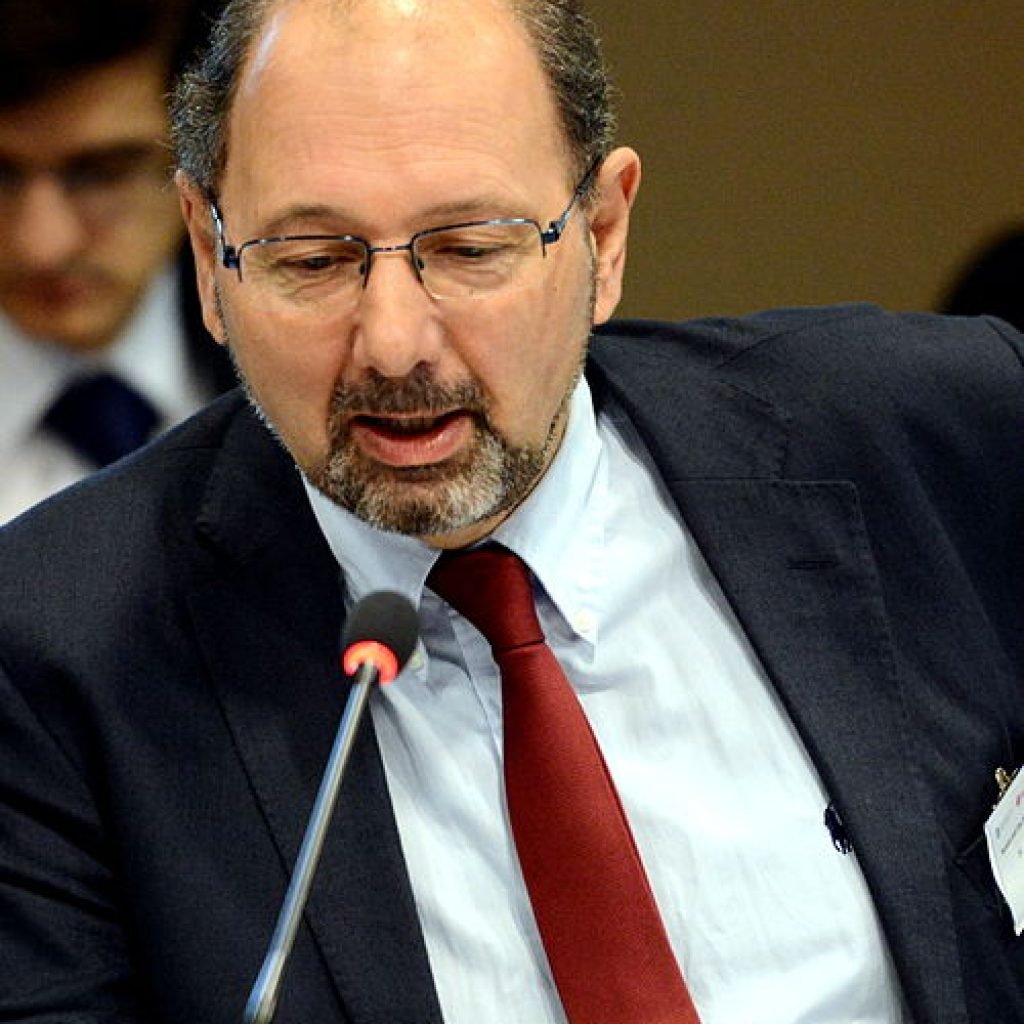
Richard Sakwa (born 1953) – a British political scientist with British and Polish roots and a former professor of Russian and European politics at the University of Kent and a Senior Research Fellow at the National Research University-Higher School of Economics in Moscow, an honorary professor in the Faculty of Political Science at Moscow State University. He has written books about Russian, Central and Eastern European communist and post-communist politics.
In 1979-1980, he spent a year on a British Council scholarship at Moscow State University. More later, Sakwa was a participant in the Valdai Discussion Club, an associate fellow of the Russia and Eurasia Programme at the Royal Institute of International Affairs, a member of the advisory boards of the Institute of Law and Public Policy in Moscow. He was invited to share his views on current political issues on the state Russian TV channels.
His book Frontline Ukraine is about the origins of the Russo-Ukrainian War. It argues that the Ukrainian conflict was the result of internal Ukrainian issues (Ukrainian Crisis) becoming hostage to a new Cold War with Ukraine at its focal point. According to him, the new Cold War was the result of a profound misunderstanding between the West and Russia.
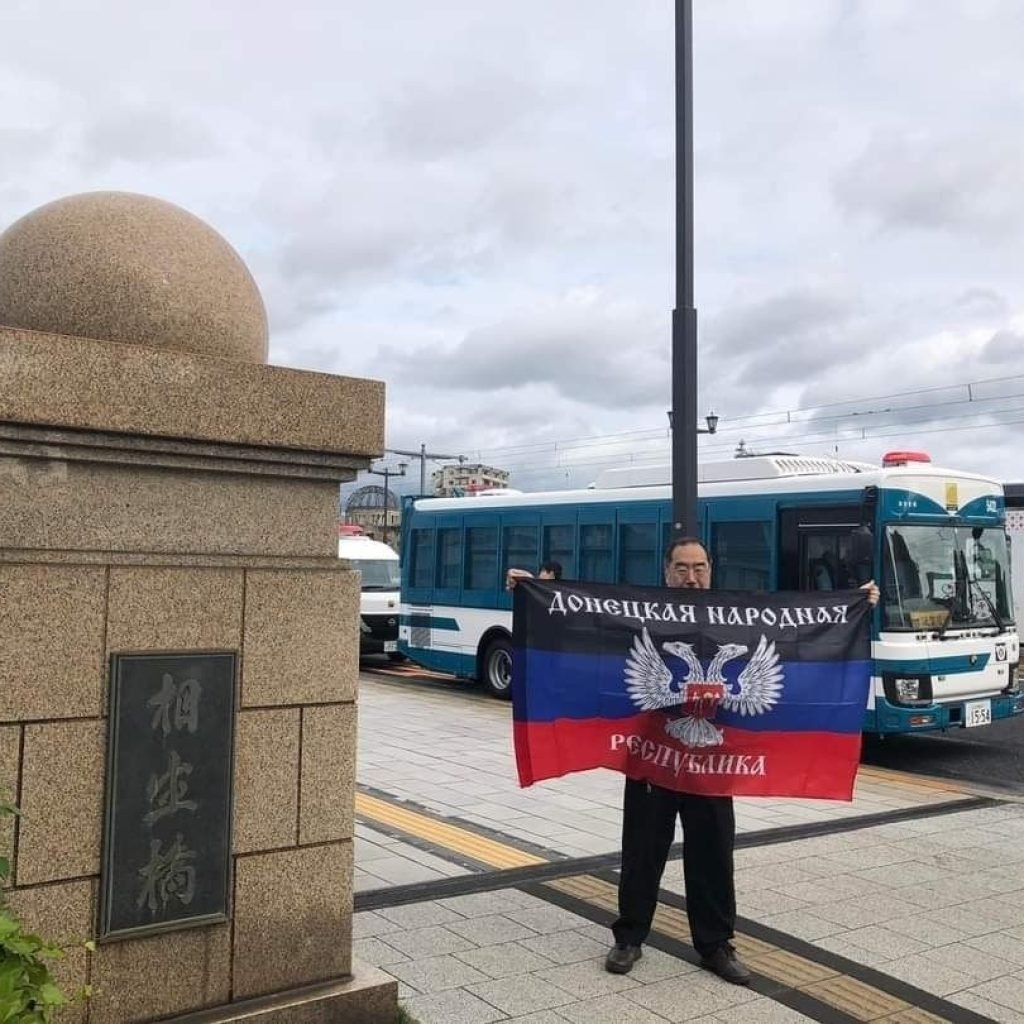
Takeyuki Tanaka is a historian, pro-Russian Japanese activist. In 2026, together with the Russian Embassy in Japan, he organized an anti-Ukrainian event in the country’s parliament. Flags of the unrecognized ‘DPR’ and ‘LPR’ were displayed there. In addition, an envoy from the Russian embassy, Kuznetsov, spoke at the event, presenting the ‘causes of the conflict in Ukraine’, justifying the start of Russia’s war and promoting the Russian version of events on the front.
Tanaka also is an author of a book ‘documenting the Kyiv regime’s genocide against so-called the LNR and DNR’ (pro-Russian proxy republics).
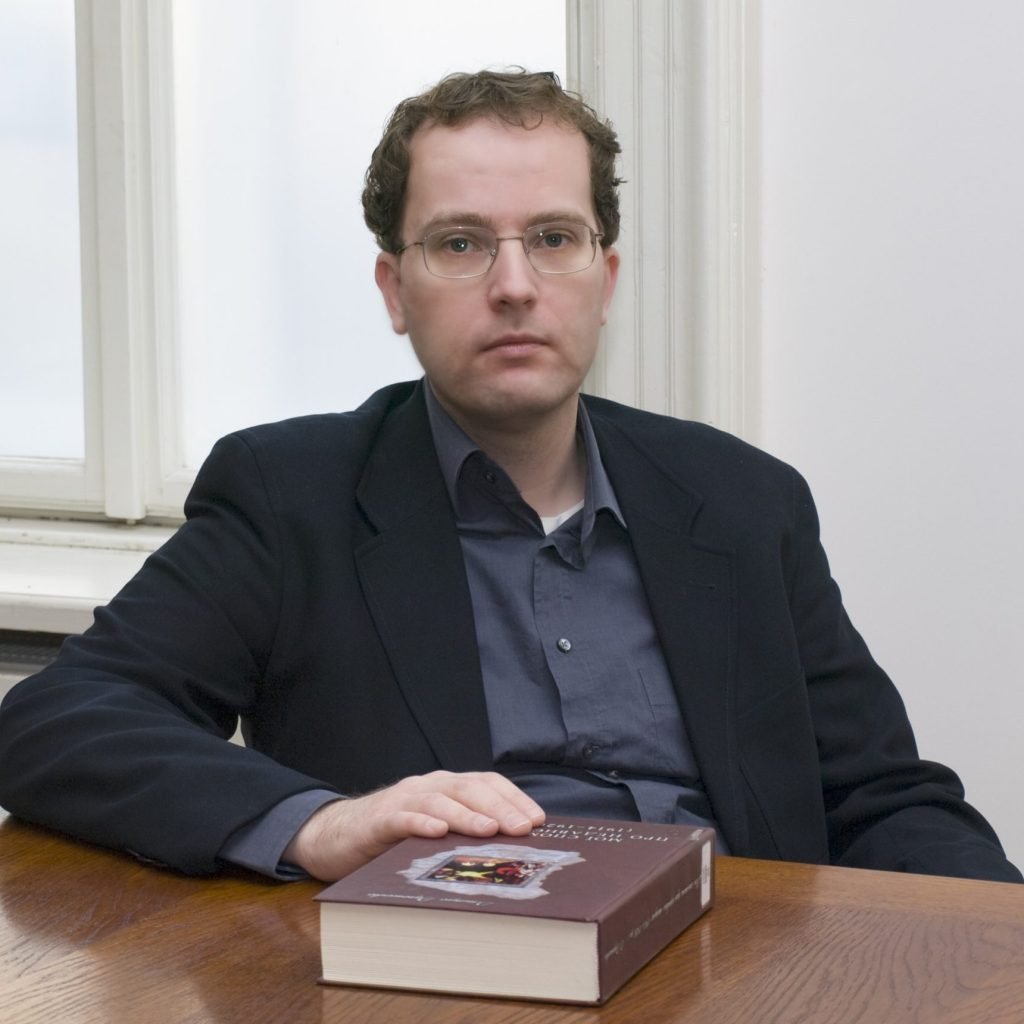
Tarik Cyril Amar (born 1969) received a Ph.D. in history from Princeton University; a Masters in history from the London School of Economics and Political Science; and a B.A. in history from Oxford University. He was a former Shklar Research Fellow at the Harvard Ukrainian Research Institute and had accepted the position of Academic Director of the Lviv Center for Urban History of East Central Europe in 2007-2010. In 2015, he published a monograph entitled ‘The Paradox of Ukrainian Lviv. A Borderland City between Stalinists, Nazis, and Nationalists,’ contributing to the creation of an image of Lviv as a city of xenophobes and anti-Semites. Since 2021, he has been often commenting the political issues on TV channel ‘Russia Today’ where he was called an American or German historian. Now represents the Department of History of Koç University, Istanbul.
‘I still consider this war an avoidable catastrophe for Ukraine most of all, co-produced by all participants. If anything, my sense of Western responsibility in provoking it and then not allowing it to end has become clearer-, – said he in 2023. Also he called the war in Ukraine ‘the US proxy war’ that is making Europe poorer.
Timothy Colton (born July 14, 1947) is a Canadian-American political scientist and historian currently serving as the chair of The Harvard Academy for International and Area Studies, housed at the Weatherhead Center for International Affairs at Harvard University. Dr. Colton is the Morris and Anna Feldberg Professor of Government and Russian Studies. His academic work and interests are in Russian and post-Soviet politics. He is currently an editorial board member for World Politics and Post-Soviet Affairs.
Colton is an author of many books about Russia. In 2016, he published Russia: What Everyone Needs to Know, which is an overview of the political history of the Russian Federation. Rose Deller, writing for the London School of Economics blog, praised the book for its readability, in-depth analysis and “refreshing” approach to Russian politics.This book was followed by the 2017 book Everyone Loses: The Ukraine Crisis and the Ruinous Contest for Post-Soviet Eurasia, which is an overview of the Russo-Ukrainian war. In ‘East/West: Journal of Ukrainian Studies’, Wolfgang Mueller called its claims regarding the origins of the war ‘quite simplistic’, and wrote that ‘the authors pay tribute to the official Russian reading’ by describing Euromaidan as a ‘violent overthrow’. He is a member of the Valdai Discussion Club.
Among different scenarios, Colton allows using the nuclear weapon. ‘The scarier scenario is not of the smallest possible tactical weapon being deployed on the battlefield but of a city-killing weapon that would truly terrify not only Ukrainians but, indeed, the whole planet. A mid-range scenario might see the detonation of low-yield “tactical” weapons over central Kyiv or another major city in western Ukraine’, wrote he with Samuel Charap. He criticises both Russia’s expansionist policies and the West’s uncompromising approach, arguing that both sides have ignored each other’s interests, leading to a situation in which all parties have lost out, with Ukraine suffering the most.
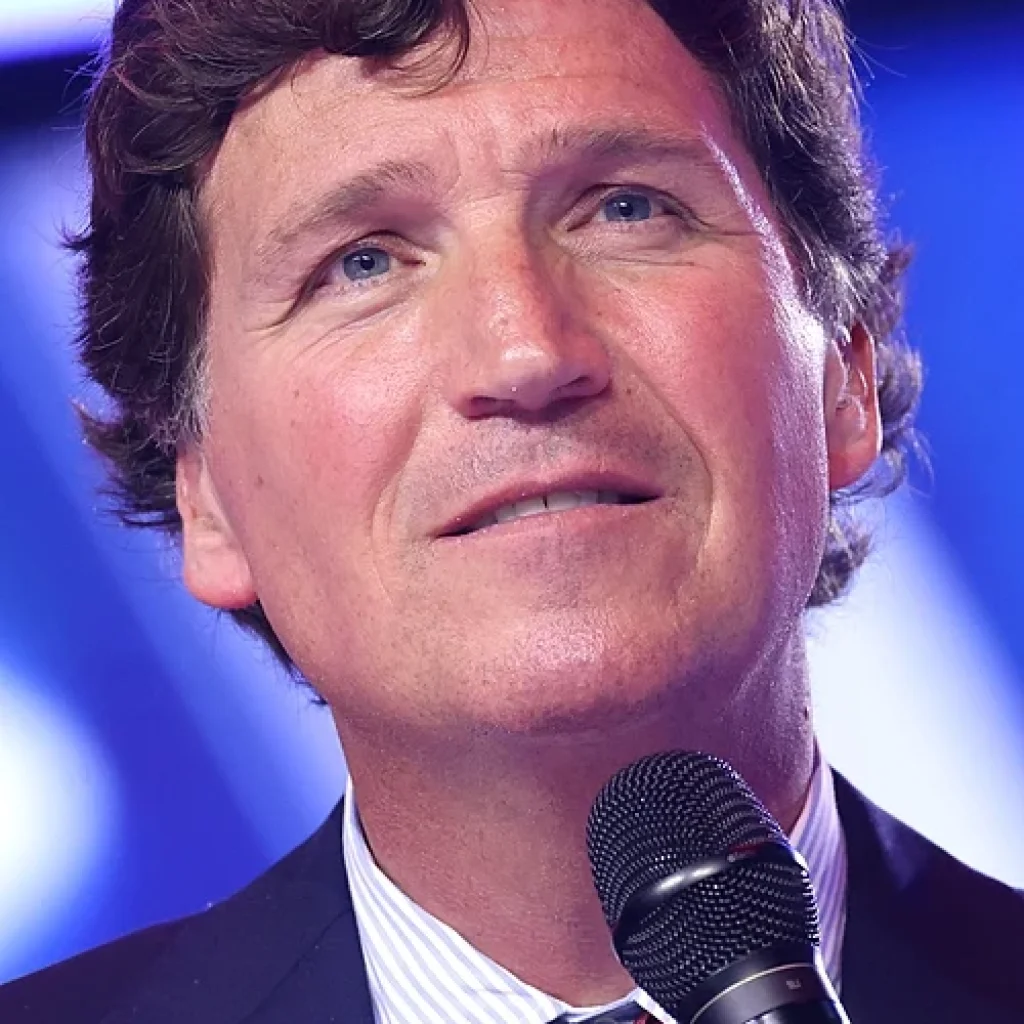
Tucker Carlson (born 1969) is an American conservative political activist and commentator who has hosted Tucker on X and The Tucker Carlson Show since 2023. He previously hosted the nightly political talk show Tucker Carlson Tonight on Fox News from 2016 to 2023, when his contract with Fox News was terminated. An advocate of U.S. president Donald Trump, Carlson has been described as a high-profile proponent of Trumpism, and an influential voice in right-wing media.
He has been noted for false and misleading statements on some topics and for promoting conspiracy theories on demographic replacement, COVID-19, the 2021 United States Capitol attack, and Ukrainian bioweapons etc. The first episode of his show, called Tucker on Twitter, was released on June 6, 2023, and lasted just over 10 minutes, he said that that Volodymyr Zelensky is ‘sweaty and rat-like’, and was persecuting Christians; that the destruction of the Kakhovka Dam was done by Ukrainian forces.
Carlson traveled to Russia in February 2024 to interview President Vladimir Putin. In the opinion of a BBC journalist Tiffany Wertheimerher, Carlson ‘has been an outspoken defender of Putin’. It was Putin’s first one-on-one interview with a Western journalist since he launched the Russian invasion of Ukraine in February 2022.
Carlson is sympathetic to Russian president Vladimir Putin, and suggested there is no reason to dislike Putin. In 2019, he said that Americans should probably take the side of Russia if they have to choose between Russia and Ukraine. He has promoted pro-Russian disinformation and propaganda since then, such as a Russian conspiracy theory that the U.S. and Kyiv were developing biological weapons in Ukraine. Many of Carlson’s broadcasts have been used by Russian state media to support their messaging.
At the same time, Carlson has expressed sympathetic views and support of Serbia and its President Aleksandar Vučić. Carlson has repeatedly spread disinformation regarding the Yugoslav Wars, especially regarding Serbia’s role in them and the 1999 NATO bombing of Yugoslavia, which effectively brought to an end the War in Kosovo. Carlson has used the example of NATO’s intervention in Serbia in 1999 to claim that it is not a defensive but an offensive organization, describing the campaign as a ‘bombing of Christians in Yugoslavia’ which paved the way for the creation of Kosovo as an independent country while omitting to mention the ethnic cleansing of Albanians by Serbian forces that occurred during the war.
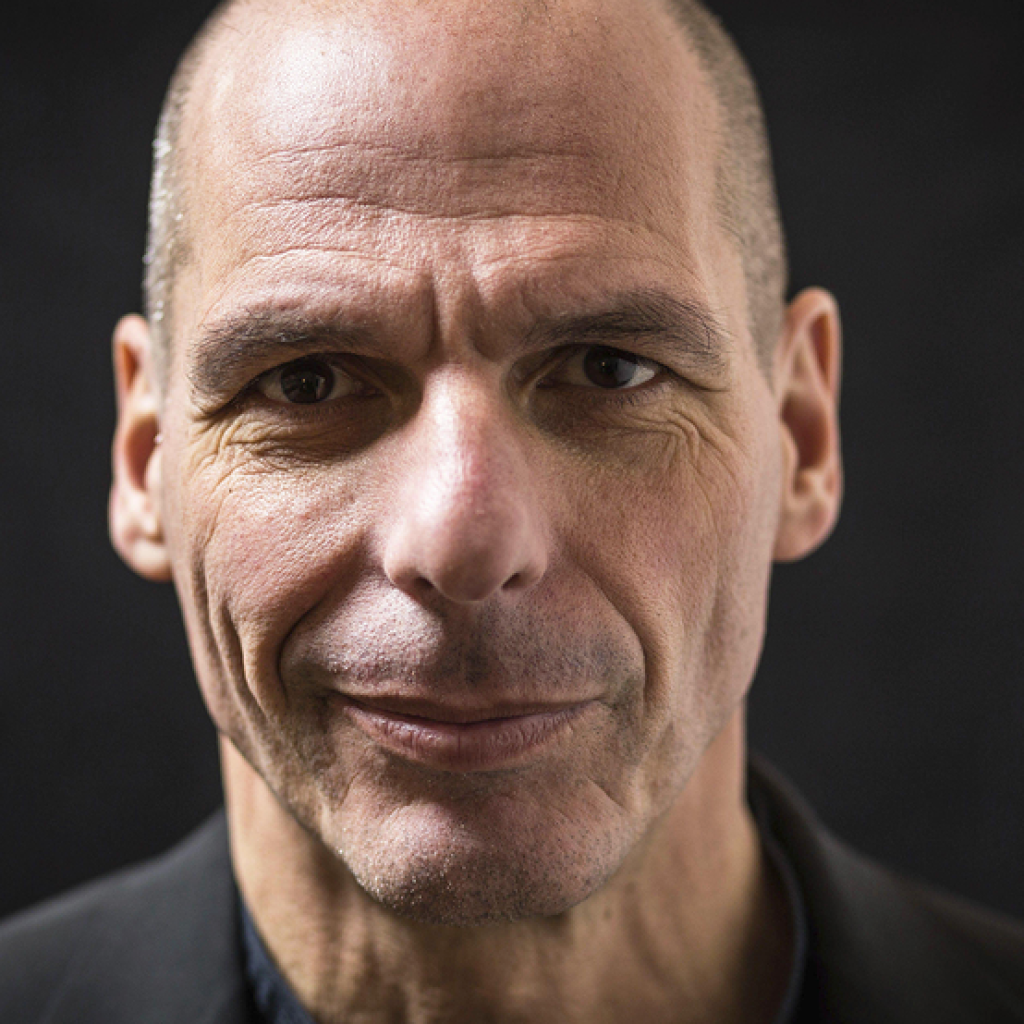
Yanis Varoufakis (born 1961) is a Greek economist and politician. Since 2018, he has been Secretary-General of the Democracy in Europe Movement 2025 (DiEM25), a left-wing pan-European political party he co-founded in 2016. Previously, he was a member of Syriza and was Greece’s Minister of Finance between January and July 2015.
Since war broke out in Ukraine, Yanis Varoufakis has been accused of being a Putin apologist. He wrote that the EU is now a fully-fledged War Project – a project that will either land us in permanent war, or it will bankrupt us further, or probably both!
In an October 2022 interview, Varoufakis stated that the U.S. wants to keep the Russo-Ukrainian War going, as it serves American interests. For the war to end, he proposed that the opposing sides should come to an agreement, that will include the withdrawal of the Russian troops to their pre-February 24 bases, a commitment from the U.S. that Ukraine will not enter NATO, mutual guarantees of Ukraine’s independence and neutrality, a Good Friday-like agreement for the Donbas area, and the issue of Russia’s annexation of Crimea to be discussed in the next 50 years, as there is no way that this can be resolved peacefully at this stage.
Yanis Varoufakis in Russia and considers that is necessary ‘to dispel the lie that Russia is about to invade us – it can’t even if it wants to’. With an American economist and public policy analyst Jeffrey Sachs he was a guest of the discussion on the YouTube channel DIEM25 which has 240K followers. That broadcast was called ‘Europe Has Become a War Project – Can It Be Stopped?’. In another one he discussed with Ukrainian sociologist Volodymyr Ischenko who lives in Germany and writes articles, books about the failure of Ukrainian democracy.
___
In our analysis, we focused on the personalities of Western figures who publicly support Russia, the Russian president, and spread narratives against Ukraine. At the same time, there are many Ukrainian scholars working abroad who spread Russian propaganda. These include Marta Havryshko, who is currently based in the USA; Volodymyr Ishchenko, who is based at the Free University of Berlin; and John-Paul Khimka, a Canadian scholar of Ukrainian origin who is an American-Canadian historian and retired professor of history at the University of Alberta in Edmonton. His books have been translated in Russia. Instead of supporting the Ukrainians’ struggle against the aggressor, they are spreading Russian narratives in the scientific world, probably for their own reasons.