

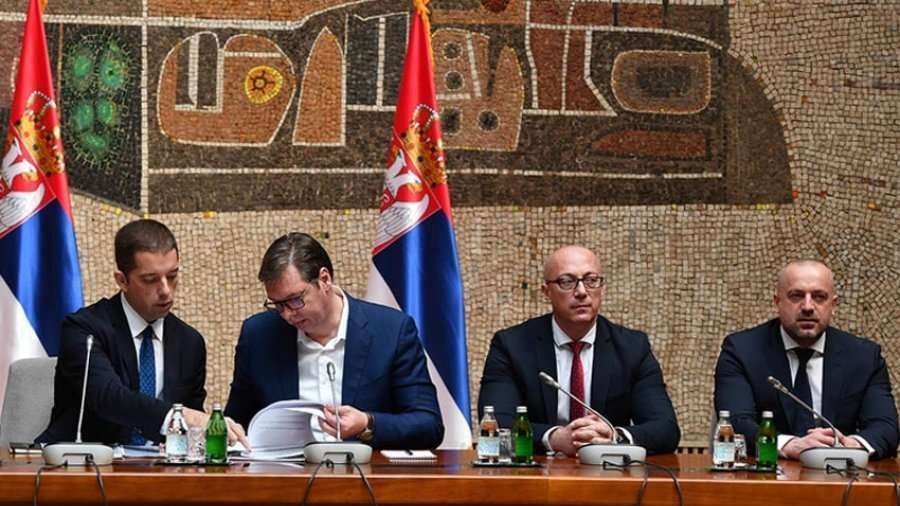
In the whirlwind of numerous political events, regional tensions, and the informational fog that has engulfed the media space, the most threatening product of Serbian propaganda against Kosovo targets the “traitors” within the Serbian community.
A text by Relja Zhelski, head of the Directorate of Analysis at the BIA, published on May 15 by the magazine “Kompas,” was presented by other Serbian media outlets as an intelligence “revelation” about the project of the “de-Serbianization” of Kosovo (Informer, 18.05.2026).
Alongside the well-known manipulative narratives such as “victimization,” “NATO aggression,” “anti-Serb quasi-state,” etc., the senior BIA official uses the lynching and demonization of Nenad Rashiq, leader of the party “For Freedom, Justice and Survival,” as a message of disciplining for all Serbian voters in the June 7 elections.
This product, besides being unusual and unprofessional, is also served with emotional references and historical falsifications in order to increase its effect as an influence operation in defense of the Serbian List.
When a senior intelligence official identifies the “internal traitor,” the message is received within the framework of the authority he represents and is naturally expected to be taken more seriously, thus increasing the “disciplining” effect. Zhelski’s concern is not Rashiq as a politician, but the loss of control over Serbian citizens.
Vuçiq has the same concern with his interference in the elections by openly calling for support for the Serbian List. Because, even a single mandate outside this subject representing Belgrade’s policy undermines Serbia’s claim about the “project of the de-Serbianization” of Kosovo; it undermines the narrative of the “terror” of the “quasi-state created by Western aggression.”
Therefore, Zhelski’s pamphlet is an operation of interference aimed at absolutizing control over Serbian voters.
Control over Local Serbs as a Strategy against Kosovo
Those who follow the political statements of Serbian officials know that Serbia uses “accusation in a mirror,” by projecting its own truth onto other actors. This is what it did when it called the KLA a terrorist organization, and this is what it does today when it claims there is “terror” by Kosovo against Serbian citizens.
The loss of the war and of control through terror over Kosovo and Albanians has unfortunately not denazified it, has not made it willing to give a chance to improving its governing policies (despite the student protests for one and a half years), but has reoriented it toward a hybrid strategy of harsh control over the Serbian community in Kosovo.
Zhelski as a Spokesperson of the “Serbian World”
Relja Zhelski, with his educational background and the function he holds, represents a typical example of intellectual anomaly, where academic preparation is placed in the service of political and nationalist dogmas, making them even more dangerous. This explains the origin of totalitarianism and the banality of evil according to Hannah Arendt. The misuse of writing as an intellectual act to denigrate political figures is inversely proportional to being a historian and analyst.
Zhelski, the BIA, and all of Serbia do not accept, or do not want to accept, that the 10 reserved seats in the Assembly of the Republic of Kosovo belong to the Kosovo Serbs, not to the representatives of official Belgrade in Kosovo.
Discrediting as a Prelude to Elimination: The Case of Oliver Ivanoviq
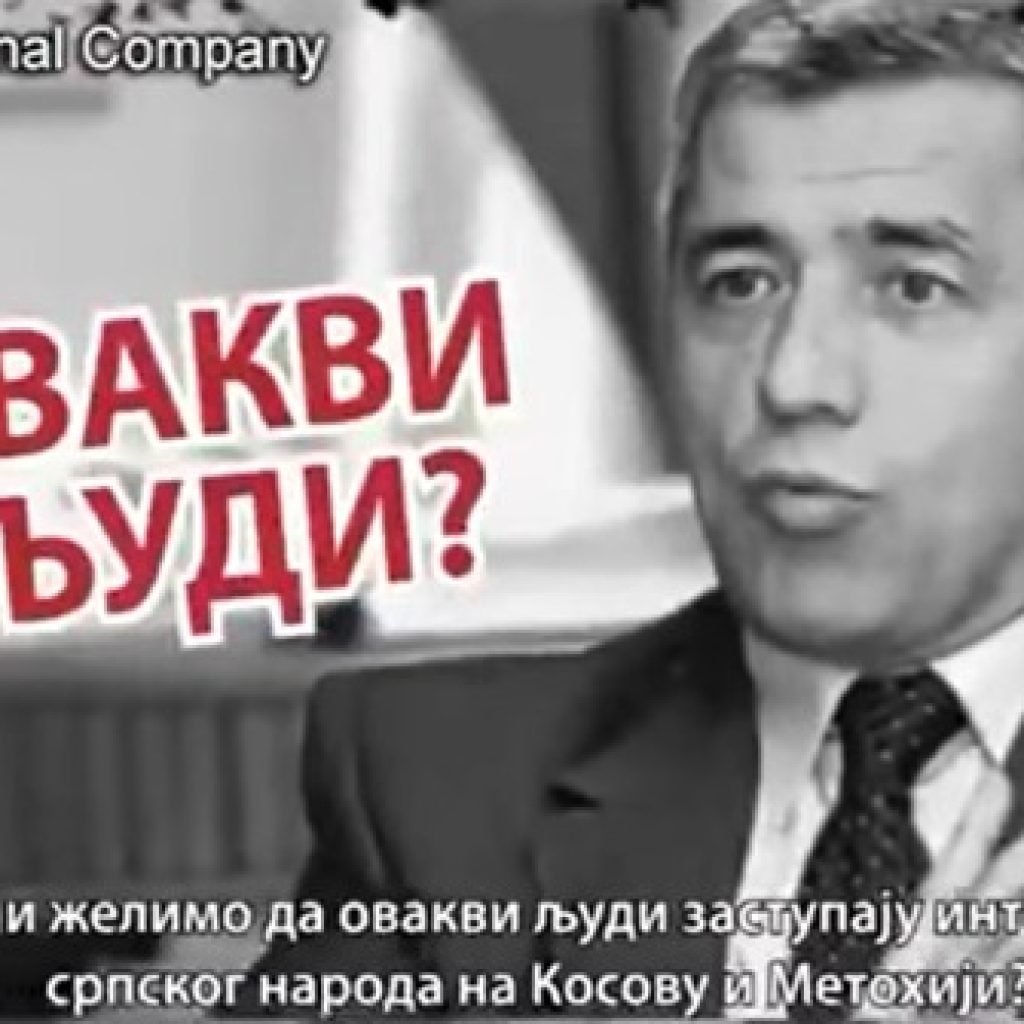
The lynching of a politician disobedient to Belgrade is not a novelty in the political habitat of the Serbian community in Kosovo. Before his assassination in 2018, Oliver Ivanović was the target of a harsh campaign of discrediting and violent acts such as the burning of his car, attacks on his party office, and threats against his family.
He was considered more moderate and was critical of the dominant Serbian structures in the north, as well as of the regime in Belgrade. Propaganda media and political opponents labeled him a “traitor,” “Prishtina’s man,” or a figure undermining Serbian interests in Kosovo. Only a few days before the assassination, he himself declared that he feared for his safety.
This does not mean that the lynching campaign organized his murder, but it did build the hostile climate that contributed to the final act. He was killed on January 16, 2018, in front of his office in North Mitrovica, while the case still remains not fully clarified regarding the organizers and perpetrators.
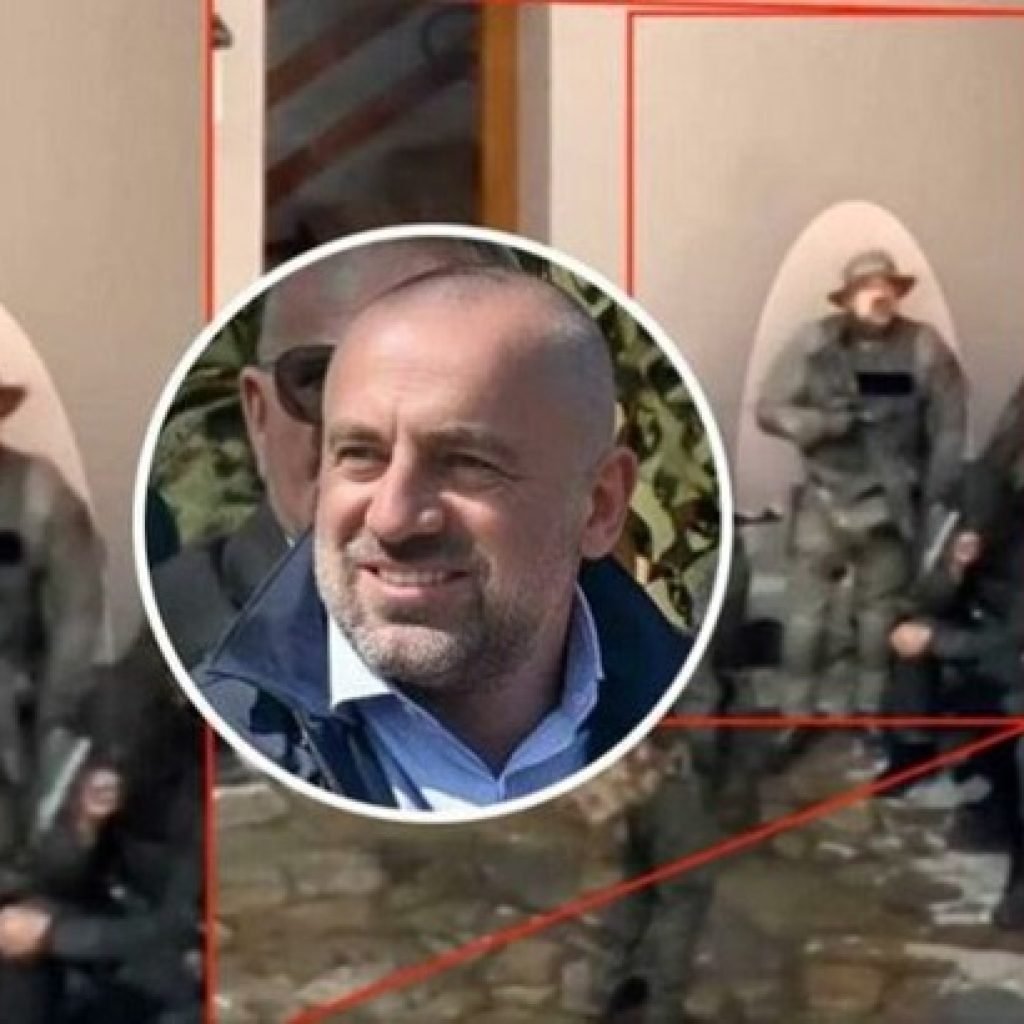
Acceptance and Shelter as a Perfidious Method: The Case of Radoiçiq
The only case in which a Serb has publicly admitted responsibility for a terrorist attack in the Republic of Kosovo is that of Milan Radoiçiq when he was caught red-handed. After appearing as the leader of the incursion into the Banjska Monastery on September 24, 2023, he continues to operate freely in the streets of Belgrade while protecting the Serbian autocrat, Aleksandar Vuçiq!
Besides him and the other terrorists, Serbia also “shelters” Albanians with criminal records. However, as long as it neither imprisons nor extradites them (as it usually does with many others), this leaves room for suspicion that they may be exploited for certain interests of this country.
The cases of lynching between Ivanović and Rashiq have only one difference: this time the author has decided to appear publicly. This means that Zhelski, his superiors in the BIA, and their political patrons have assessed that discrediting campaigns through propaganda instruments are not achieving their full effect.
By becoming the “spokesperson” of Serbian nationalism from the position of head of Analysis, Zhelski in fact reveals three public secrets of Serbian policy against Kosovo:
- Serbia does not allow the integration of Serbs in Kosovo and does not tolerate any opposition voice not directed by Belgrade;
- The Serbian List was created by the secret services as a political proxy that deforms the will and interests of the Serbian citizens of Kosovo, and
- Serbia, through the nationalist project “Serbian World,” will continue to keep hegemonic ambitions alive in the region.
Against the backdrop of the current massive protests by students and citizens demanding a better future for a country engulfed by corruption, organized crime, poverty, the departure of youth, lack of freedom of expression, control over the media, the influence of Eastern autocratic powers, etc., chief analyst Zhelski appears as an apparatchik of Serbian power, reviving the ghosts of Stalinist, Maoist, and Milošević-style regimes through the discrediting of opponents of the political leviathan in Kosovo called the “Serbian List.”